

Ask a hundred founders whether they are investor ready and ninety will show you a deck. Fifteen slides, a chart bending up and to the right, a market size with eleven digits. The document is clean. It proves nothing.
A deck describes what a company wants to be. Investor readiness describes what it is — and whether that version survives three months of diligence intact.
Andreas Adamides, who runs the UK scale-up community Helm and reviews more than 200 applications a year, puts it plainly: readiness has almost nothing to do with pitch decks. It has to do with whether a founder can be trusted with other people’s money.
That phrase carries the whole argument. An investor is not buying an idea; they are deploying capital they must account for — to LPs, to an investment committee, to a development mandate. The question is never “do I like this?” It is “can I defend this decision in three years?”

What changed
In 2021 and 2022, abundant capital covered for imprecision. A term sheet could close in three weeks on conviction and momentum. That market is gone. Theses have narrowed, diligence has lengthened, and the gap between the story and the numbers — once treated as founder licence — is now read as a risk signal.
Energy, integrity and ambition still matter. They no longer compensate for thin evidence.
The four things that get tested
Clarity. State the problem in one or two sentences, and make it a present pain rather than a ten-year vision. It is a harsh test: an inability to say it short almost always means the thinking was never finished.
Evidence. Imperfect proof moves a conversation forward; a perfect claim stops it. Three paying customers with mediocre retention beat a $30m letter of intent signed by nobody. Investors are not looking for the absence of weakness — they are looking for clear sight of it.
Business logic. Know how money moves through the company: where it comes from, where it leaks, when a unit turns profitable. Capital does not fix broken economics. It scales them.
Capital strategy. Why you are raising, how much, and which milestones the round unlocks. “As much as we can get” means you do not know what the money is for.
What actually kills deals
None of these are dramatic. All are fixable — but not in three weeks, which is the problem.
- An unreadable cap table. Phantom shareholders, verbal equity promises, a co-founder who left without paperwork.
- Accounts reconstructed the month before the raise. It shows.
- Personal and company finances mixed. Shared bank accounts, undocumented related-party loans. This is the most destructive governance signal there is.
- IP that was never assigned. Code written by a contractor without an assignment clause belongs to the contractor.
- Undisclosed tax or social arrears. They always surface, and always at the worst moment.
- Hidden customer concentration. When one buyer is 70% of revenue, the “diversified portfolio” slide is a lie.
Diligence does not begin when an investor says it does. It begins at the first conversation — in how fast you produce a number, and whether what you say today matches what you said six months ago. Investors watch for consistency, which is why readiness is built alongside the product, not at the point of raising.
The Africa layer
On African markets the bar shifts, not because the standard is higher in principle but because the capital base changes the questions.
DFIs — BII, Proparco, IFC, FMO — hold a decisive share of available capital and carry a dual mandate. They audit things a generalist VC ignores: environmental and social compliance, anti-bribery policy, supply chain traceability, board governance. This is not cosmetic. It is eliminating.
Currency is the second blind spot, and the most expensive one. A company earning in naira or cedi and repaying in dollars carries a structural exposure no product quality offsets. A ready founder has priced it. An unready one meets the question in the room.
Beyond both sits stewardship: how a team allocates capital, reacts to setbacks, flags bad news early and honestly, and makes hard calls. Execution discipline, not ambition, is usually the differentiator.
The uncomfortable part
Readiness does not guarantee funding, and the literature on this subject consistently avoids saying so.
A well-prepared African company can fail to raise for reasons unrelated to its quality. An $800,000 ticket is too large for local angels and too small for a DFI whose operational floor sits above $5m. That is the missing middle — a market architecture problem, not a preparation problem. Sectors also fall out of favour without warning; hype cycles operate in Africa as everywhere else.
So the honest framing is this: preparation does not produce a yes. It removes the reasons for a no. In a selective market that is worth the effort on its own.
One related point. Early-stage valuation is a negotiation, not a calculation. No DCF prices an eighteen-month-old company. What prices it: urgency of the problem, credibility of the team, early market signals, and relative leverage. A founder who arrives with a “calculated” valuation and refuses to discuss it signals rigidity.
Ninety days
Month 1 — Clean up. Cap table documented. Personal and company finances separated. IP assignments signed by every contributor, past and present. Tax position clarified, bad news included.
Month 2 — Document. Three years of accounts, audited if budget allows. One financial model, every assumption traceable to a real source. A monthly KPI dashboard — especially if the numbers are poor.
Month 3 — Build the dialogue. Data room ready before first contact, not during. A two-page investment note, more useful than twenty slides. Then a reporting rhythm to target investors for six to twelve months before you raise. Demonstrated consistency over a year outweighs any presentation.
Where this gets tested in practice
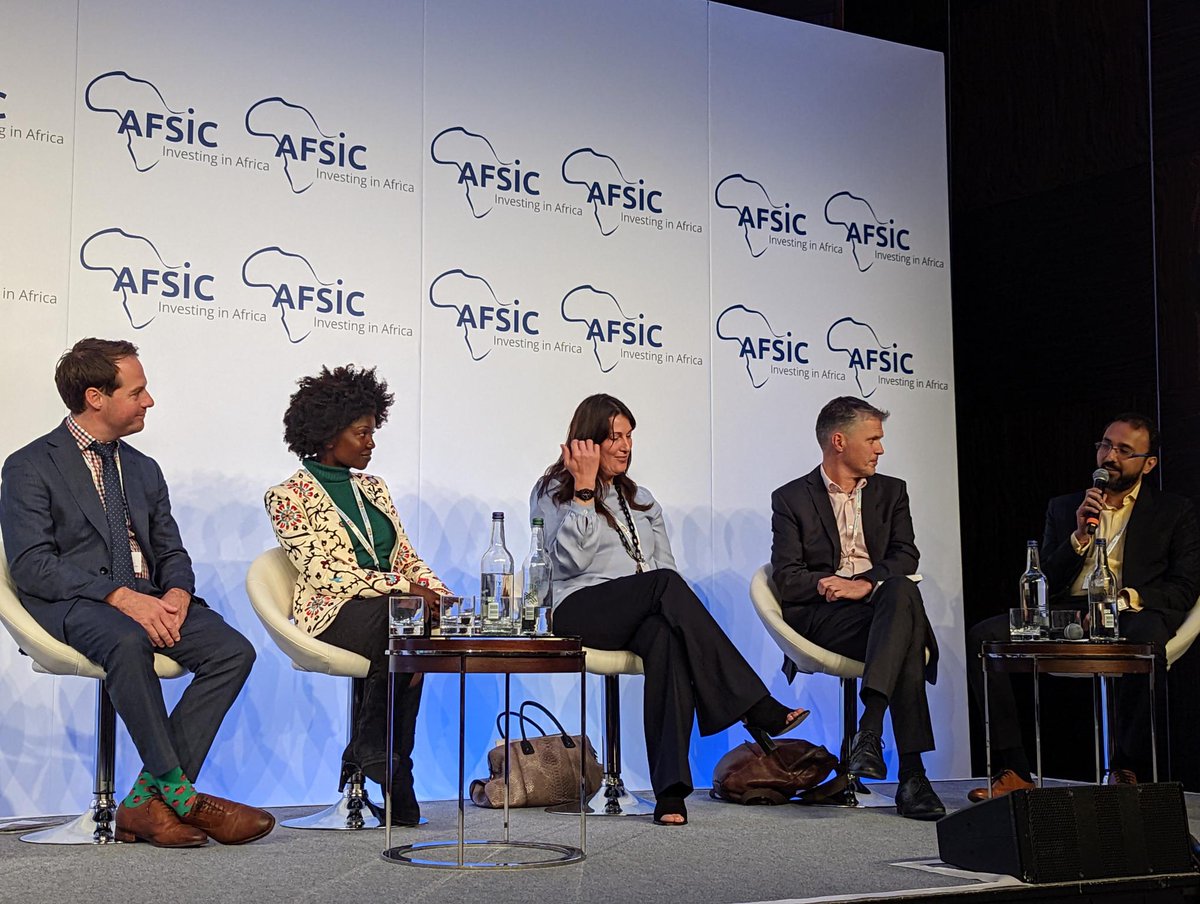
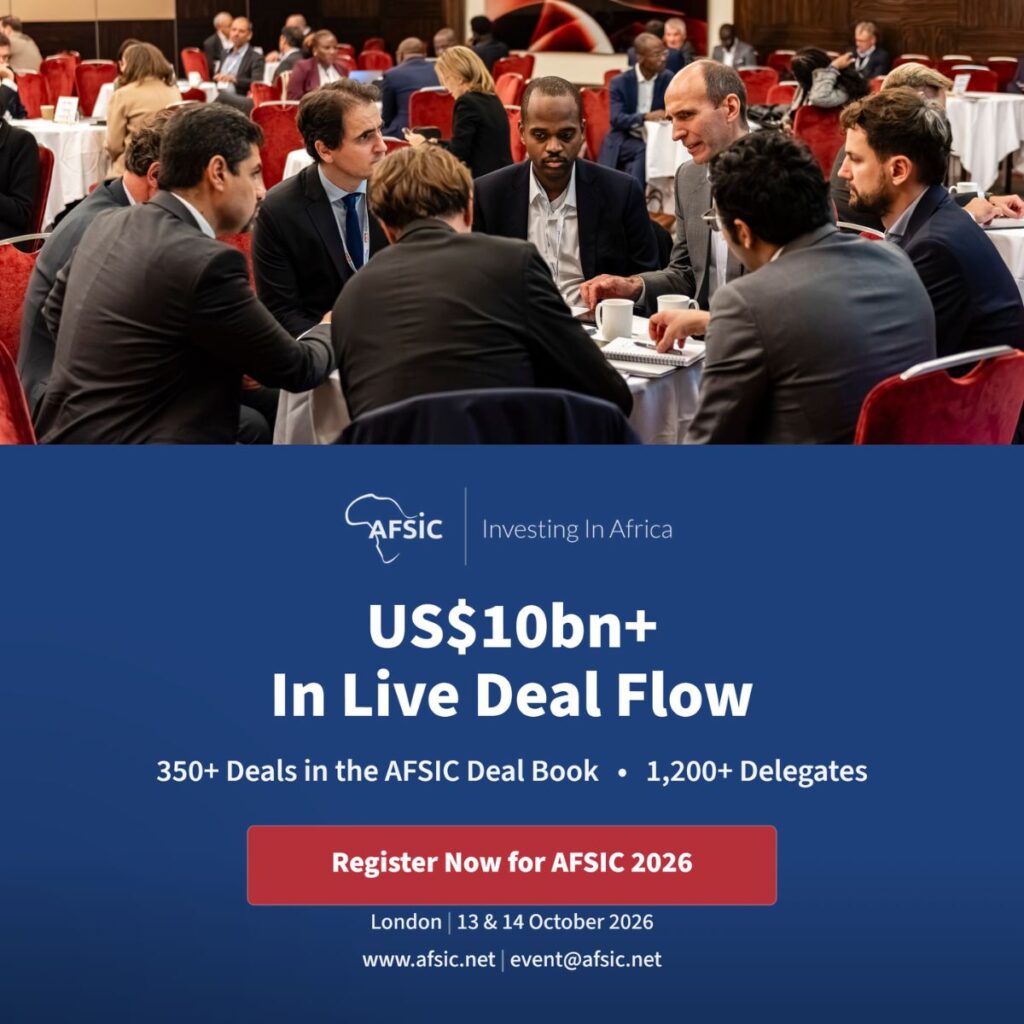
Readiness is abstract until it meets a room full of allocators. AFSIC – Investing in Africa is one of the few places it does at scale: the 2026 edition runs 13–14 October at the Park Plaza Westminster Bridge in London, convening institutional investors, private equity, DFIs and family offices, with investor-ready projects profiled through the AFSIC Deal Book and the African Investments Dashboard, plus on-site pitching formats.
The format is unforgiving in a useful way. A sixty-second snapshot and a focused meeting do not reward polish; they reward a founder who can answer the second and third questions without hesitating. The deck gets you into the room. Everything above determines whether you are still in the conversation a month later.
Related reading on AFSIC: Beyond the Pitch Deck: What Investor Readiness Really Means