

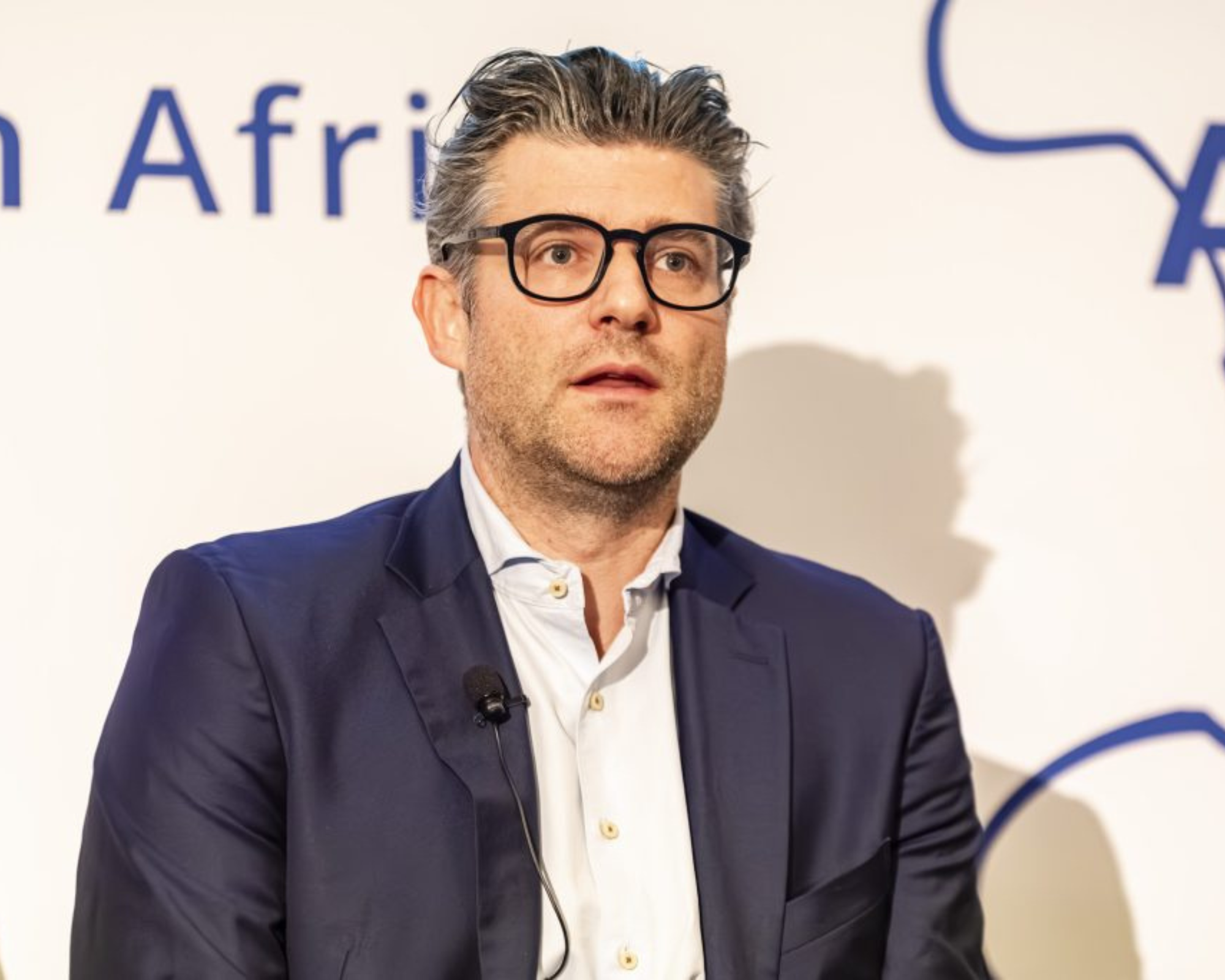
On 13 and 14 October 2026, the Park Plaza Westminster Bridge in London will become, for two days, the epicentre of capital flowing into Africa. AFSIC – Investing in Africa – returns for an edition shaping up to be one of the densest ever organised, at a moment when the continent is redrawing the map of its financing sources.
An event that has become unmissable
Launched more than a decade ago, AFSIC (Africa Financial Services Investment Conference, more simply rebranded as Investing in Africa) has established itself as the largest annual Africa-focused investment conference held outside the continent. The premise is straightforward: bring together, in one place, the institutional investors looking to deploy capital and the African leaders who need it — sparing the latter the cost and time of a tour across 54 countries.
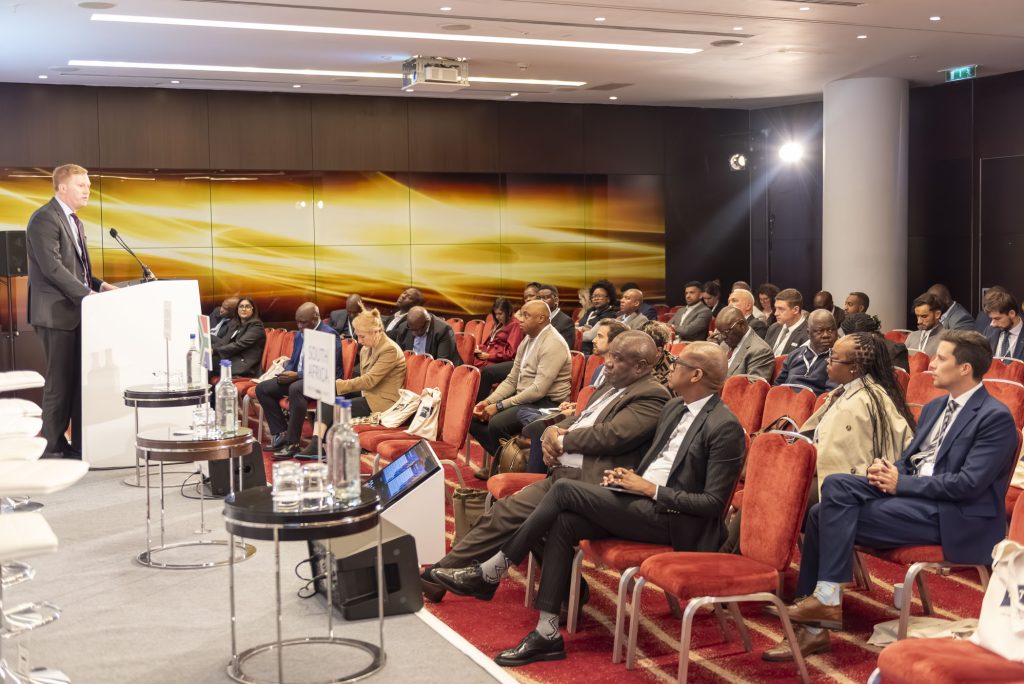
The 2026 edition confirms the event’s upward trajectory. More than 1,500 senior decision-makers are expected, a large share of them top-level: institutional funds, private equity, venture capital, development finance institutions (DFIs), family offices and major African corporates. Organisers have already announced more than 200 confirmed investor speakers, with additional names to be added in the months leading up to the opening.
Who will the investors be?
The participant profile gives a sense of the firepower being assembled in London. The 2025 edition already brought together institutional investors collectively managing more than US$1 trillion in assets — a figure likely to be matched or exceeded in 2026.
In practice, several categories of players cross paths in the Deal Rooms:
- European, British and American DFIs (British International Investment, Proparco, DEG, FMO, IFC, U.S. International Development Finance Corporation), historically the anchors of pan-African funding rounds.
- Africa-focused private equity funds (Helios, Development Partners International, AfricInvest, Verdant Capital, Adenia, among other recurring participants in recent years).
- Venture capital funds active in African tech, whose exposure has multiplied since 2020.
- Family offices and sovereign investors, whose presence has grown noticeably.
- Investment banks and M&A advisers structuring the transactions.
The format is built for deal-making: a Deal Book distributed to every delegate, dedicated rooms for one-to-one meetings, and tracks such as Meet the DFIs, Meet the PE Investors and Meet the VC Investors. In 2024, the event generated more than 4,300 scheduled meetings between investors and project owners.
The projects and sectors in focus
The 2026 agenda spans the range of growth sectors across the continent. The announced themes include:
- Financial services and banking — the historical core of the event.
- Infrastructure — transport, telecoms, logistics.
- Energy and power, with particular emphasis on Africa’s energy transition.
- Fintech and technology — payments, mobile money, insurtech, agritech, healthtech.
- Agriculture and innovative agri-finance solutions.
- Mining, including a much-anticipated session on critical minerals (copper, cobalt, lithium, rare earths) — a strategic global issue.
- Sustainable development and impact finance.
Two threads run through the 2026 edition and signal a paradigm shift: the move from aid to investment, and the rising weight of local capital, in a context where U.S. institutional allocation to Africa has undergone significant changes.
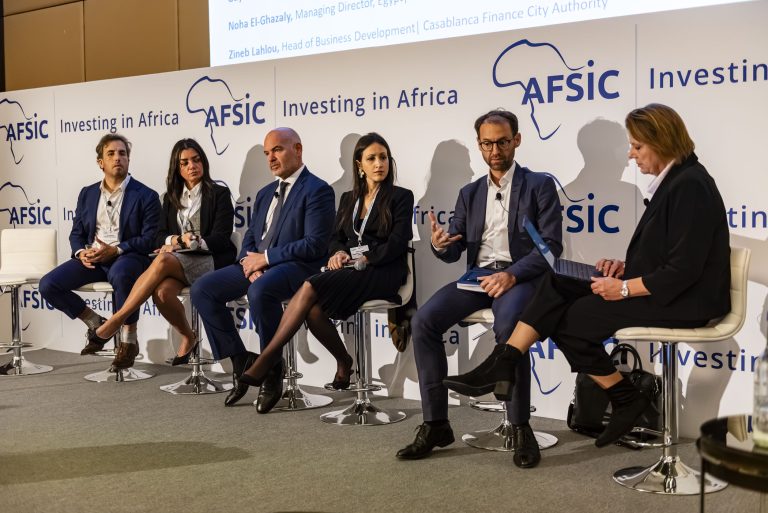
On the project side, AFSIC relies on its African Investments Dashboard, a platform that aggregates vetted opportunities year-round — from pre-seed deals to multi-billion-dollar infrastructure projects. These deals are then presented on stage through several formats:
- Quickfire Pitches — short, calibrated presentations.
- Quickfire 60-Second Snapshots — a rapid-fire format for capital raises in the Meet the Investor rooms.
- Country Investment Summits — country-by-country sessions diving into regulatory and sectoral detail.
The projects on show cover more than 40 African countries, making it one of the most comprehensive overviews available on a single stage.
Why this event matters for Africa
Three main reasons explain why AFSIC has become an almost mandatory stop for anyone looking to finance or be financed on the continent.
First, the efficiency of the matching. Where other conferences emphasise keynote prestige, AFSIC is built around deal flow. The Deal Book lets investors pre-select files in advance, turning the two days into a marathon of targeted meetings rather than a corporate showcase.
Second, the timing. Africa is entering a cycle in which the old narrative of a “perpetually developing continent” is giving way to a more segmented, more mature reading: demographics, urbanisation, energy transition, critical minerals, fintech. AFSIC offers a place where those narratives meet the pragmatism of asset allocators.
Third, the geographic reach. Bringing together, in London and over two days, executives flying in from Cairo, Lagos, Nairobi, Casablanca, Johannesburg or Kinshasa is, for most funds, the most cost-effective opportunity of the year in terms of continental coverage.
For African companies, AFSIC represents a rare chance to access — in one venue — a volume of investors that would be impossible to meet through months of travel.
How much capital has flowed through AFSIC since its creation
AFSIC does not publish an official cumulative figure across all editions, but the available data give a sense of the scale of the flows passing through the conference.
The 2024 edition set a record: 350 deals featured in the Deal Book, with a combined value above US$10 billion, 1,347 participants (including 1,219 in-person) and more than 380 speakers. The 2025 edition maintained the momentum, with more than US$1 trillion in assets under management represented among attending investors.
Over more than a decade, by stacking successive Deal Books and the transactions that flowed from them (often closed several months after the event), AFSIC claims to have helped channel tens of billions of dollars of opportunities toward the continent. The 2026 edition, with a strengthened agenda and a format even more geared toward closing transactions, is set to cross another threshold — including in a global context where capital has become more selective.
Bottom line
AFSIC 2026 is not just another Africa conference: it is a matching engine at scale, which has become, in a decade, one of the main transmission belts between global savings and the continent’s financing needs. On 13 and 14 October, in London, what will be on display is not just a pipeline of deals — it is, in the background, part of Africa’s economic trajectory for the decade ahead, taking shape in the corridors of the Park Plaza Westminster Bridge.
Practical information AFSIC – Investing in Africa 2026 13 and 14 October 2026 — Park Plaza Westminster Bridge, London Registration and full programme: www.afsic.net