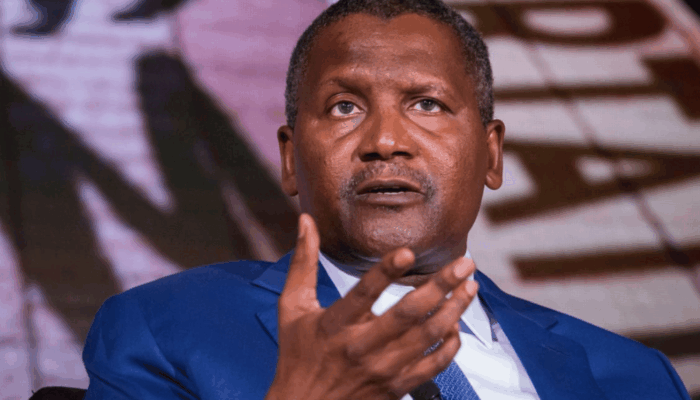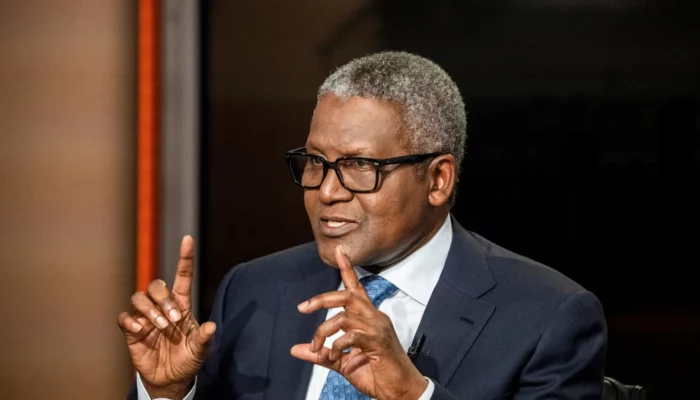


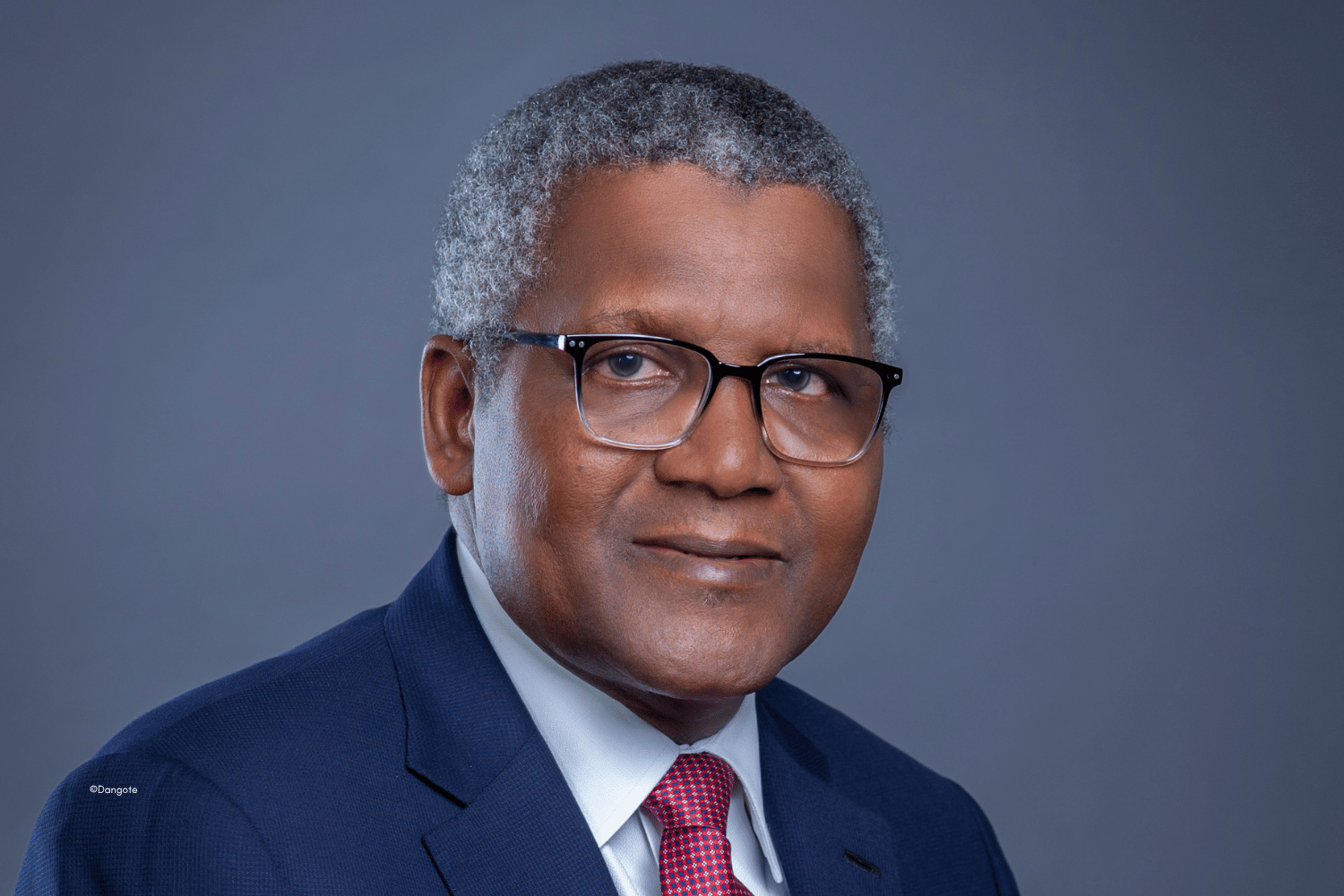
Cement, sugar, fertiliser and now the continent’s biggest refinery. Africa’s wealthiest industrialist has built an empire on import substitution. Central Africa is one of the markets he has not yet conquered.
Aliko Dangote’s method has been consistent for three decades: identify a product Africa imports in volume, build capacity at a scale that changes the price, and protect the position. Cement first, then sugar and flour, then fertiliser, and now refined petroleum products. The refinery near Lagos, financed with a syndicate in which Afreximbank anchored $2.5bn in April 2026, is the largest single industrial bet made by an African investor.
What he represents
He is also a political fact. A businessman whose plants determine the price of cement in a dozen countries has leverage over governments. He is both praised as proof that African capital can build at scale, and criticised for dominant positions and the protection he has sometimes received.
The Central African angle
The profile has a natural local question: why has Dangote’s group invested relatively little in CEMAC, and what would change that? Candidates for the answer include market size, the cost and reliability of electricity, the difficulty of repatriating profits under exchange control rules, and port logistics. The group’s cement plants in Cameroon and Congo — where they exist — should be assessed on their actual output and employment, not on announcements.
The succession
The other story is what comes after him. A conglomerate built around one founder faces the same question as a festival built around one man: does the institution survive the person? The group’s listing plans, governance and next generation are legitimate subjects.