

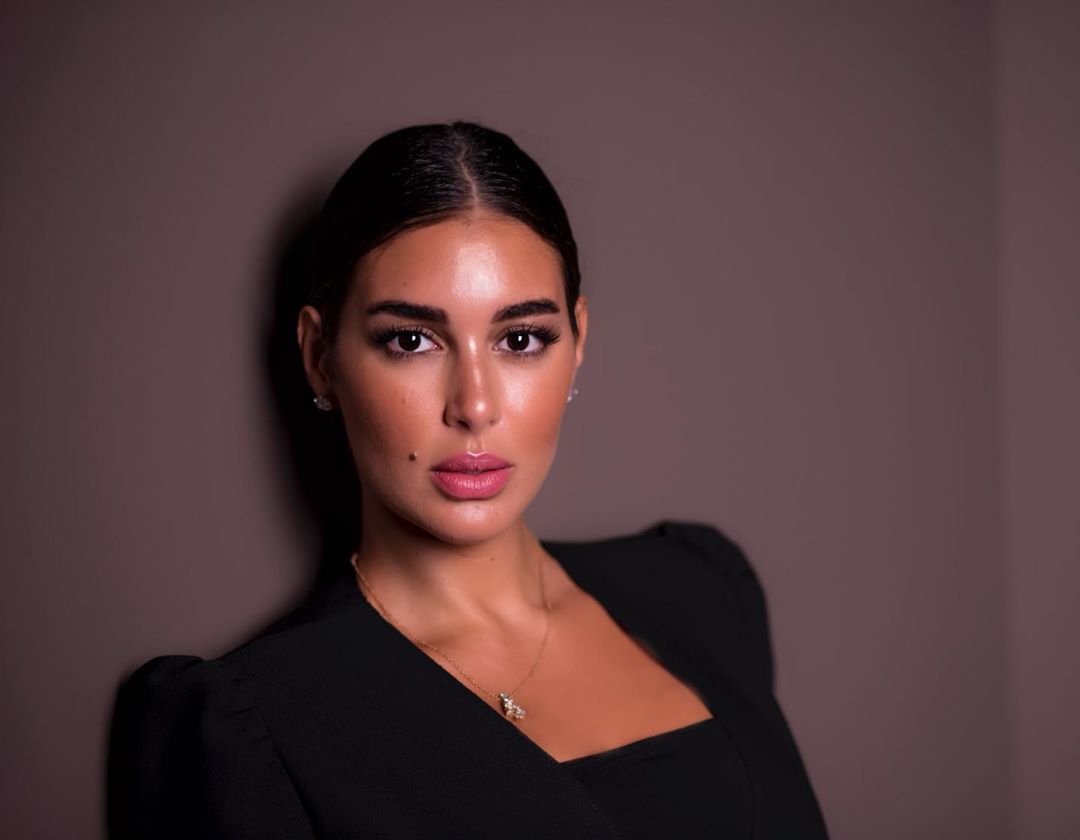
They don’t just act—they own. Inside the attention economy where fame meets finance, and why the next digital gold rush is waiting in Central Africa.
Forget the red carpet. The real money isn’t in box offices anymore—it’s in the palm of your hand.
While traditional industries struggle with margins, Africa’s top screen queens have quietly built a $30 million digital economy powered by nothing but smartphones and star power. They don’t wait for casting calls. They create brands, close six-figure deals between takes, and turn 15-second TikToks into luxury real estate investments.
Welcome to the Attention Economy, where influence is the new oil.
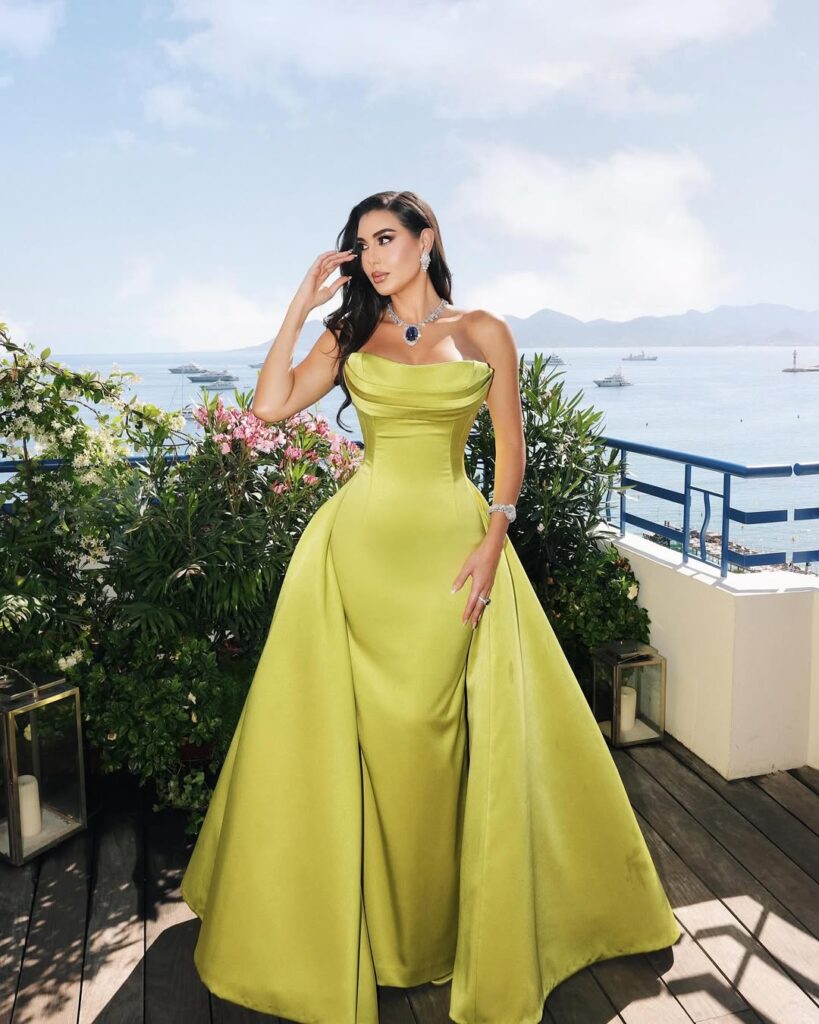
The New Moguls: Top 10 Digital Powerhouses
These women don’t just have followers—they have markets. With combined audiences exceeding 300 million, they command fees that rival traditional advertising budgets.Table
| Rank | The Players | Followers | The Business Model | Annual Digital Revenue* |
|---|---|---|---|---|
| 1 | Yasmine Sabri (Egypt) | 42M+ | Luxury ambassador (Cartier, Dior) | $2M – $4M |
| 2 | Funke Akindele (Nigeria) | 35M+ | Owns her production pipeline | $1.5M – $3M |
| 3 | Regina Daniels (Nigeria) | 38M+ | The Hybrid Queen: Fashion brand (Ragae) + politics + content | $1M – $2.5M |
| 4 | Mercy Johnson (Nigeria) | 32M+ | Family-values marketing (FMCG, banking) | $1M – $2M |
| 5 | Jackie Appiah (Ghana) | 28M+ | Premium West African real estate & cosmetics | $800K – $1.5M |
| 6 | Mona Zaki (Egypt) | 22M+ | Institutional deals (L’Oréal Paris, UNICEF) | $1M – $2M |
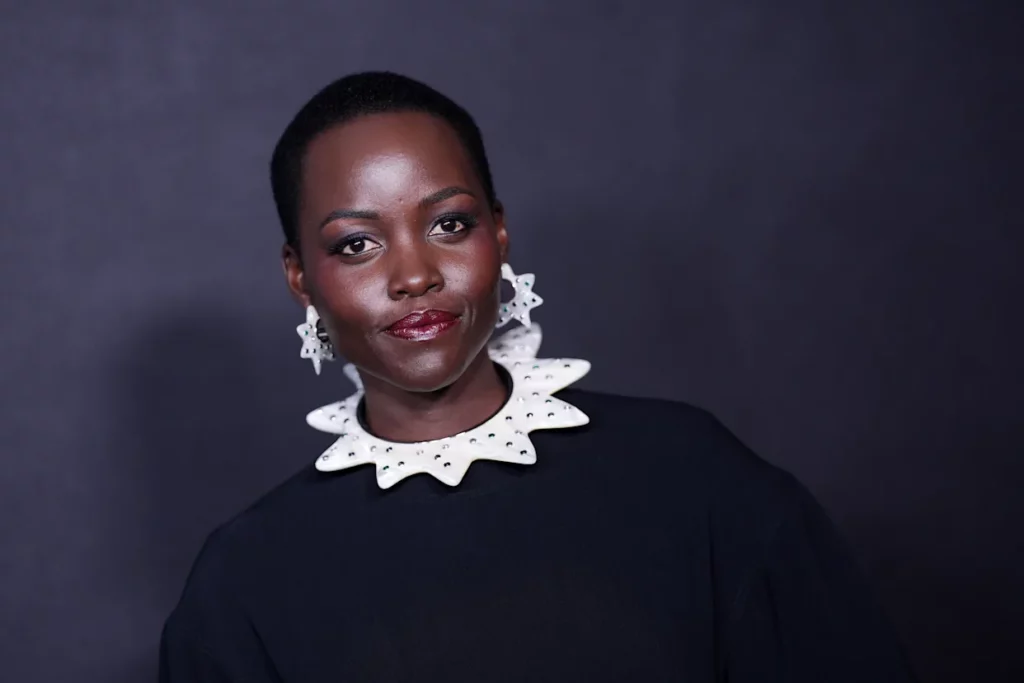
| 7 | Lupita Nyong’o (Kenya) | 20M+ | Hollywood global luxury (Lancôme, De Beers) | $2M – $5M* |
| 8 | Hend Sabry (Tunisia/Egypt) | 17M+ | Netflix producer + high-end jewelry | $800K – $1.5M |
| 9 | Ini Edo (Nigeria) | 18M+ | Beauty, wellness & hospitality | $500K – $1M |
| 10 | Ruth Kadiri (Nigeria) | 16M+ | Facebook monetization master | $500K – $1M |
How they monetize:
- Single sponsored post: $3,000 – $20,000
- Annual brand ambassadorships: $100,000 – $500,000
- Own product lines: Unlimited upside (Regina Daniels’ fashion brand generates passive income while she sleeps)
The Method: Attention = Currency
In the attention economy, revenue isn’t counted in ticket sales—it’s measured in engagement rates.
The formula is brutal but simple:
- Build the tribe (10M+ engaged followers)
- Own the niche (luxury, motherhood, fitness, or controversy)
- Diversify fast (don’t just endorse—own the product)
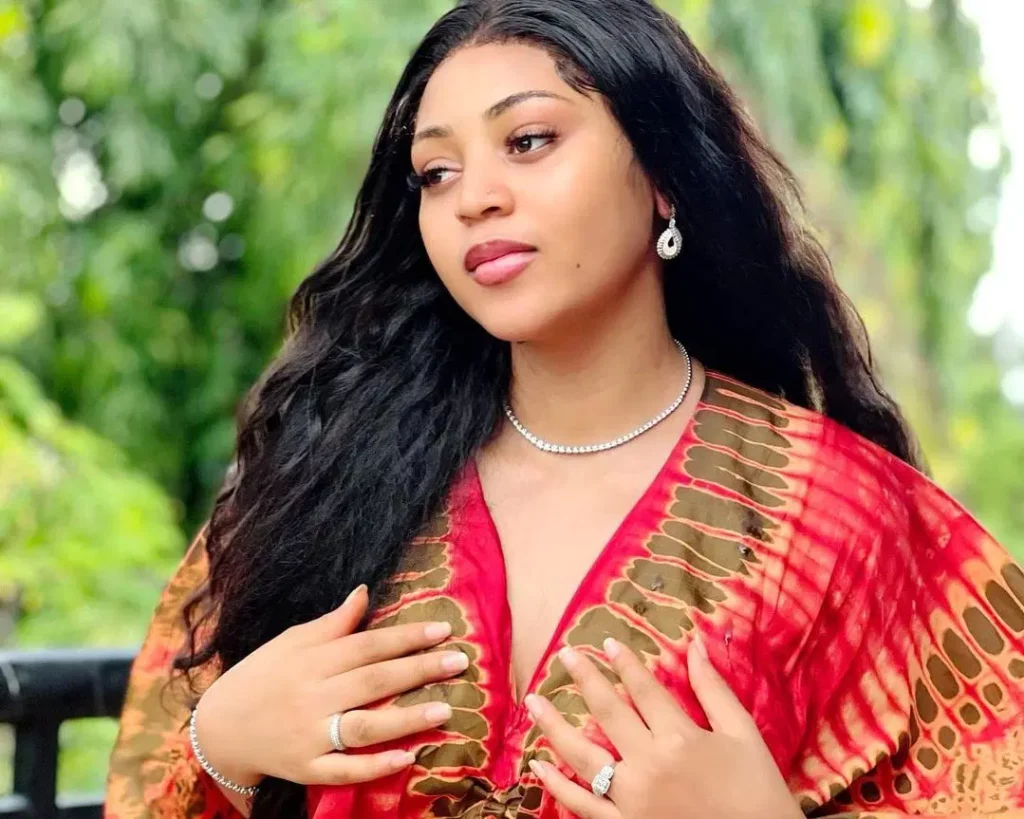
Take Regina Daniels, 24. While her peers wait for movie roles, she runs a fashion label, produces films, and influences policy. Her Instagram alone generates an estimated $52,000 monthly—that’s more than some CEOs in the CEMAC zone.
Or Emma Lohoues (Ivory Coast, Rank 22), who skipped the Hollywood dream entirely. She built Empire 17—a beauty and spa empire—funded purely by her digital audience. No studio. No gatekeepers. Just followers who became customers.
The CEMAC Opportunity: The Last Blue Ocean
Here’s what the map reveals: Zero representation from Central Africa in the top 25.
Not one Cameroonian. Not one Gabonese. Not a single voice from the CEMAC zone cracking the digital ceiling.
This isn’t a deficit. It’s an opportunity.
While Egypt and Nigeria fight for saturated markets, the CEMAC region offers:
- Untapped diaspora networks (France, Belgium, Canada)
- Bilingual advantage (French/English crossover content)
- First-mover status (no established digital stars = no competition)
The math: A Cameroonian creator with just 2 million engaged followers (tiny by these standards) could generate $400,000 – $800,000 annually—five to ten times the salary of a senior CEMAC official.
The “Regina Daniels Model”—young, digital-native, entrepreneur-actor—doesn’t require a film studio. It requires WiFi and strategy.
Why This Matters for Investors
This isn’t celebrity gossip. It’s asset class intelligence.
Traditional media is fragmenting. Television audiences are shrinking. But digital influence? It’s compounding. The top 25 actresses above represent a combined reach of 300 million consumers—a demographic larger than the United States, with purchasing power growing at 6% annually.
Smart money is already moving:
- Telecoms (MTN, Orange) signing multi-year ambassador deals
- Pan-African banks using actresses to reach unbanked women
- Luxury brands (Cartier, L’Oréal) testing African markets through these digital gates
The question isn’t whether influence marketing works in Africa. It’s whether the CEMAC zone will produce the next player—or watch from the sidelines.
Your Move
The infrastructure for stardom has changed. You no longer need a film studio in Lagos or Cairo. You need:
- A smartphone
- A distinct point of view
- A product to sell (even if that product is you, initially)
To the policymakers in Yaoundé, Libreville, and Brazzaville: Don’t build another film commission. Build a digital creator fund.
To the investors: The next Regina Daniels isn’t in Nollywood. She’s in Douala or Bangui, waiting for the algorithm to find her.
The attention economy doesn’t care about borders. It cares about stories.
Who’s telling yours?
Methodology: Instagram and TikTok public data (March 2026), cross-referenced with Hopper HQ influencer indices and African advertising industry standards. Revenue figures are estimates based on industry-standard CPM and sponsorship rates.