
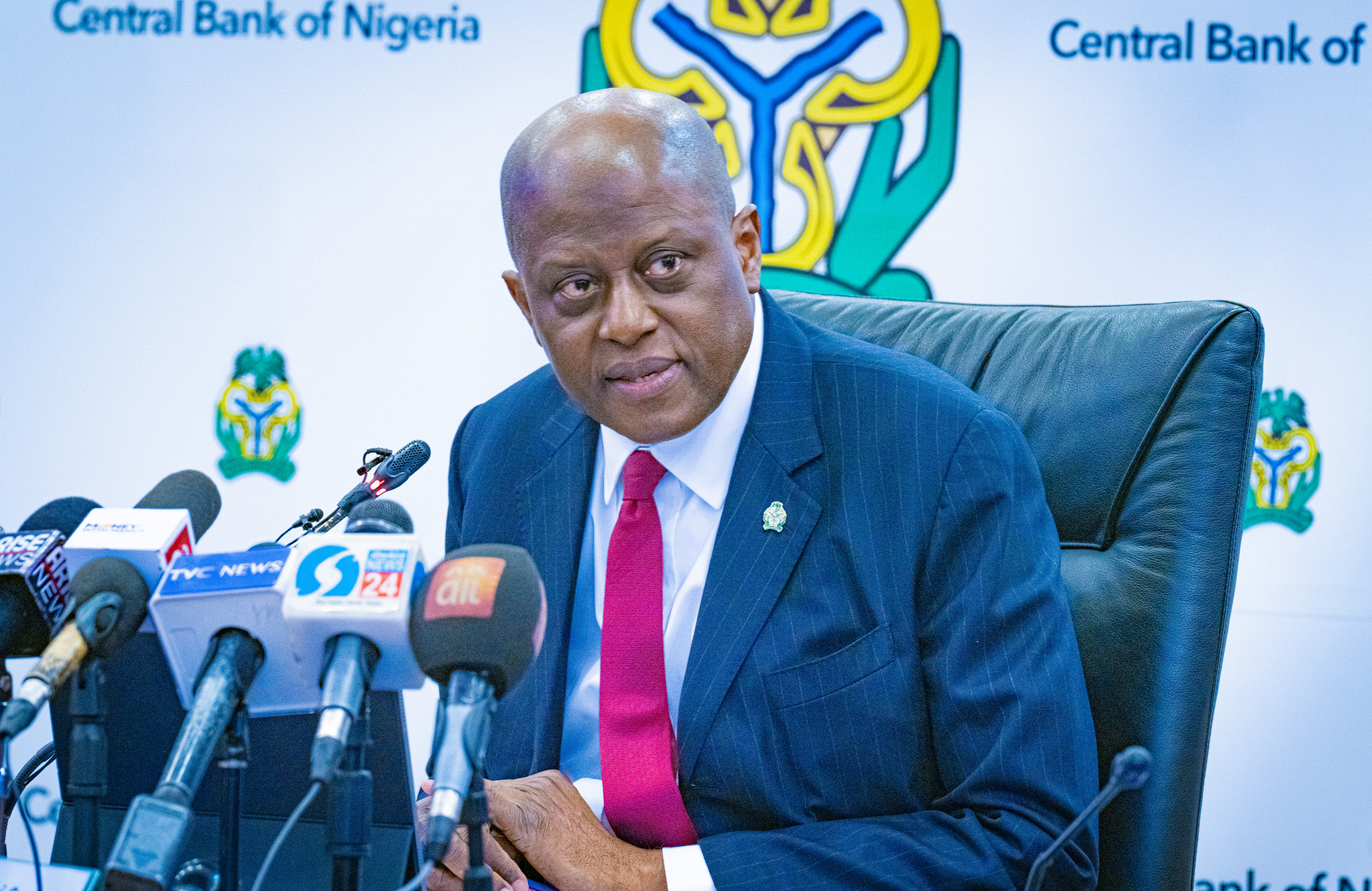
The Central Bank of Nigeria gave its banks two years to raise capital, with a deadline in March 2026. The consequences reach far beyond Lagos — including into Central Africa, where Nigerian banks are among the largest foreign players.
In 2024, the Central Bank of Nigeria ordered a sharp increase in minimum capital, with the highest threshold for banks holding international licences and a deadline at the end of March 2026. The stated aim was to build banks capable of financing a trillion-dollar economy. The practical effect was a two-year race: rights issues, private placements, mergers and, for some, the surrender of an international licence.
Why this matters outside Nigeria
Nigerian banks are not domestic institutions. Several operate across West and Central Africa, including in CEMAC. When their parent company must raise capital, three things can follow:
- Consolidation of subsidiaries into fewer, better capitalised entities.
- Withdrawal from marginal markets where returns do not justify the capital.
- Aggressive growth, if the new capital is looking for assets.
Which of the three has happened is an empirical question, and one nobody in the region has answered.
The questions to put
- Which banks met the deadline, which merged and which downgraded their licences?
- What did the exercise do to credit supply in Nigeria?
- Have any subsidiaries in CEMAC been sold, recapitalised or closed?
- Does the regional supervisor in Central Africa coordinate with the Nigerian authorities on cross-border groups?
That last question is the important one. Cross-border banking groups are supervised by a home regulator, while depositors and borrowers in host countries bear the risk.