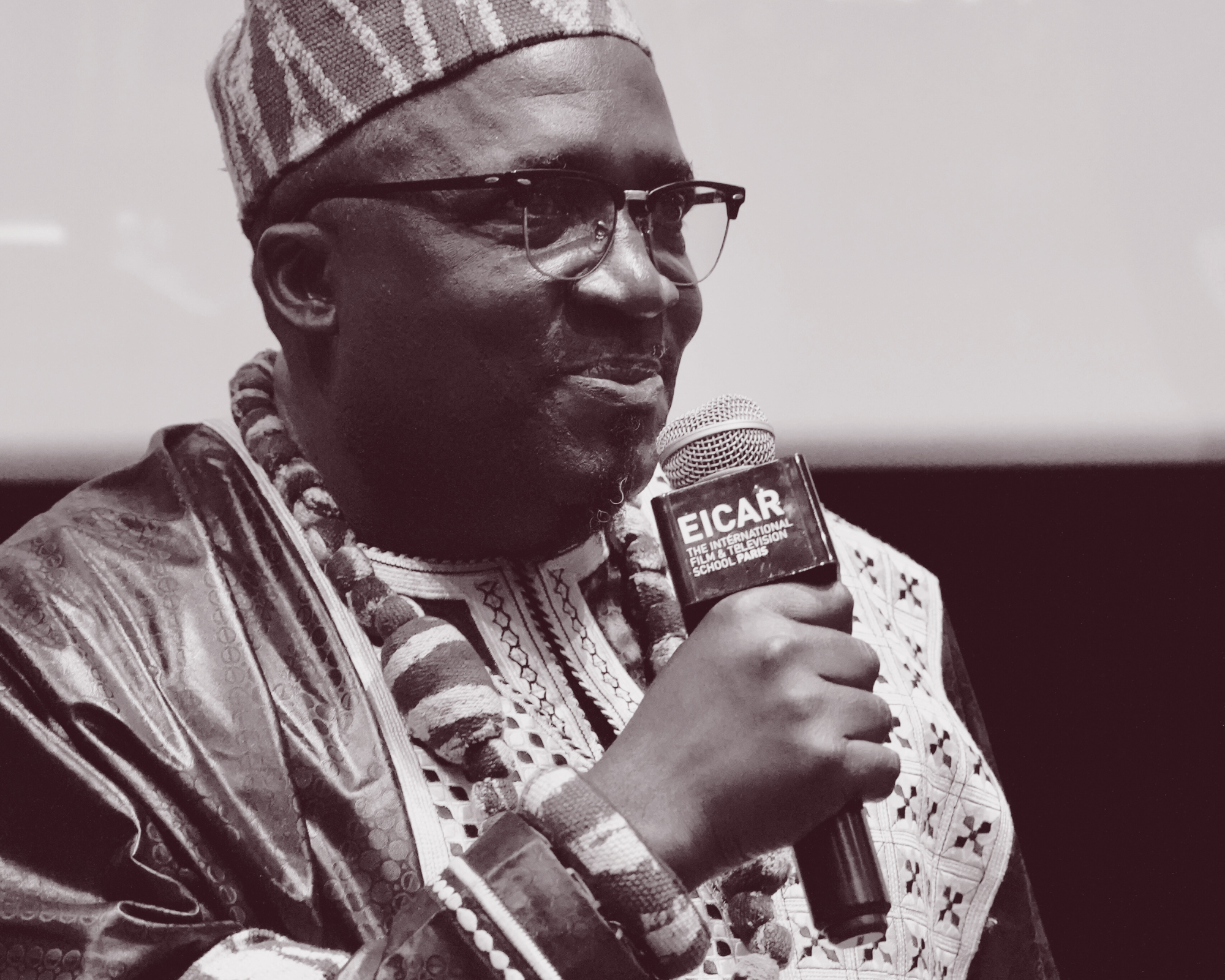
Exclusive interview with Blaise Pascal Tanguy, the strategist aiming to turn African cinema into a pillar of economic and cultural sovereignty. From technical standards to international market conquest, he shares his roadmap for transforming the continent’s 7th art into a high-performance industry.
cemac-eco.finance: You are often described as an “image activist.” What drives your fight for the continent’s film industry?
Blaise Pascal Tanguy: My primary drive is the refusal of narrative fatality. For too long, we have left the pen and the camera in the hands of others. Today, I am fighting to ensure that African filmmakers are no longer mere guests, but central players in the global image economy. My role is to build infrastructures of visibility—bridges between Paris, Africa, and the Caribbean—so our talents can export their excellence without having to ask for permission.

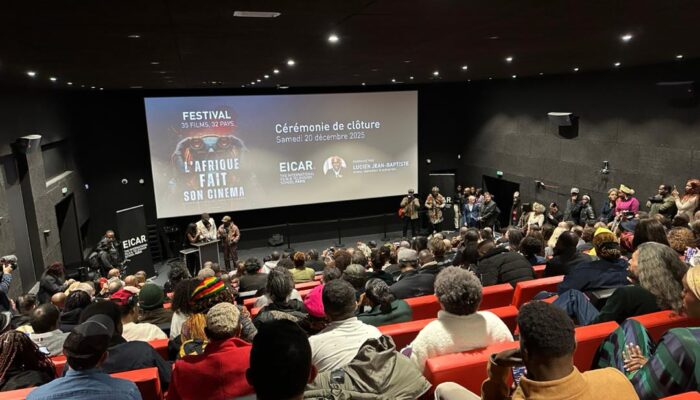
Beyond the red carpet, what is the economic reality of the “L’Afrique fait Son Cinema” festival?
The festival is only the tip of the iceberg. In reality, we manage a cultural business hub. It is a marketplace where project holders connect with investors and global broadcasters. Our mission is to transform a work of art into a viable financial product. We are structuring the ecosystem so that African creation moves beyond the informal sector and integrates into global distribution circuits, generating value and jobs across the continent.
You advocate for the end of “pity-driven cinema.” How does this manifest in your selection process?
We have made a radical shift: technical excellence above all else. In 2025, we proved that Africa can produce science fiction, thrillers, or high-end comedies that meet the same standards as Hollywood or Seoul. The “narrative of pity” isolated us in a humanitarian box; technical excellence, however, opens the doors to the market. An African film must be able to captivate a viewer in Douala, Paris, or New York through its visual and narrative quality, not out of mere solidarity.
Funding and mobility remain major bottlenecks. How can these barriers be removed?
We need a paradigm shift. Culture is not an expense; it is a strategic investment for a nation’s GDP and soft power. Regarding mobility, it is time for institutions to understand that filmmakers are professionals on economic missions. When we facilitate the travel of a delegation, we foster skills transfer and the signing of contracts. The success of our recent delegations proves that our experts are disciplined and focused on one goal: the business of the image.
Looking toward 2026: What is your strategy to reach a new industrial milestone?
The goal for 2026 is clear: closing deals. We are going to strengthen the “Film Market” to make it an essential meeting point for financial decision-makers. We want projects born in Central Africa and beyond to find their funding and broadcasters directly through our platform. We will also increase high-level masterclasses to further professionalize the entire production chain. Africa will no longer just participate; it will lead.

What would you say to investors and young creators who are still hesitant to dive in?
To the youth, I say: be obsessed with quality. Your camera is a tool for sovereignty. Do not sell your misery; sell your genius and your aesthetics. To investors, I remind you that cinema is one of the most dynamic sectors in the world. Investing in African film means buying a share of the planet’s narrative future. Africa is ready to transform its imagination into a flourishing industry; it is time to take your seat at the table.