
Beijing has promised duty-free access to its market for African countries that recognise it. The offer removes the tariff. It does not remove the standards, the logistics or the volumes — which is where Central African exporters usually fail.
China announced in 2025 that it would extend zero-tariff treatment to the full range of tariff lines for African countries with which it has diplomatic relations, expanding a preference previously limited to least developed countries. For Central Africa, the headline is attractive: the region’s largest export customer offering duty-free entry.
Where the money could be
Beyond crude oil and logs, which already move freely, the credible candidates are limited but real:
- Processed timber rather than raw logs, in line with export bans across the region.
- Cocoa derivatives — butter, powder, paste — rather than beans.
- Rubber, coffee, pepper and speciality agricultural products.
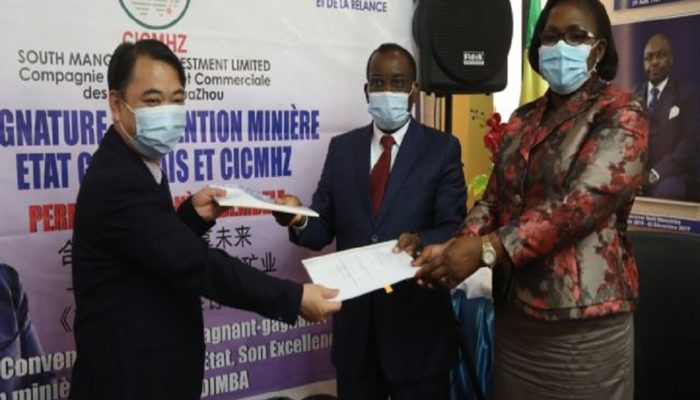
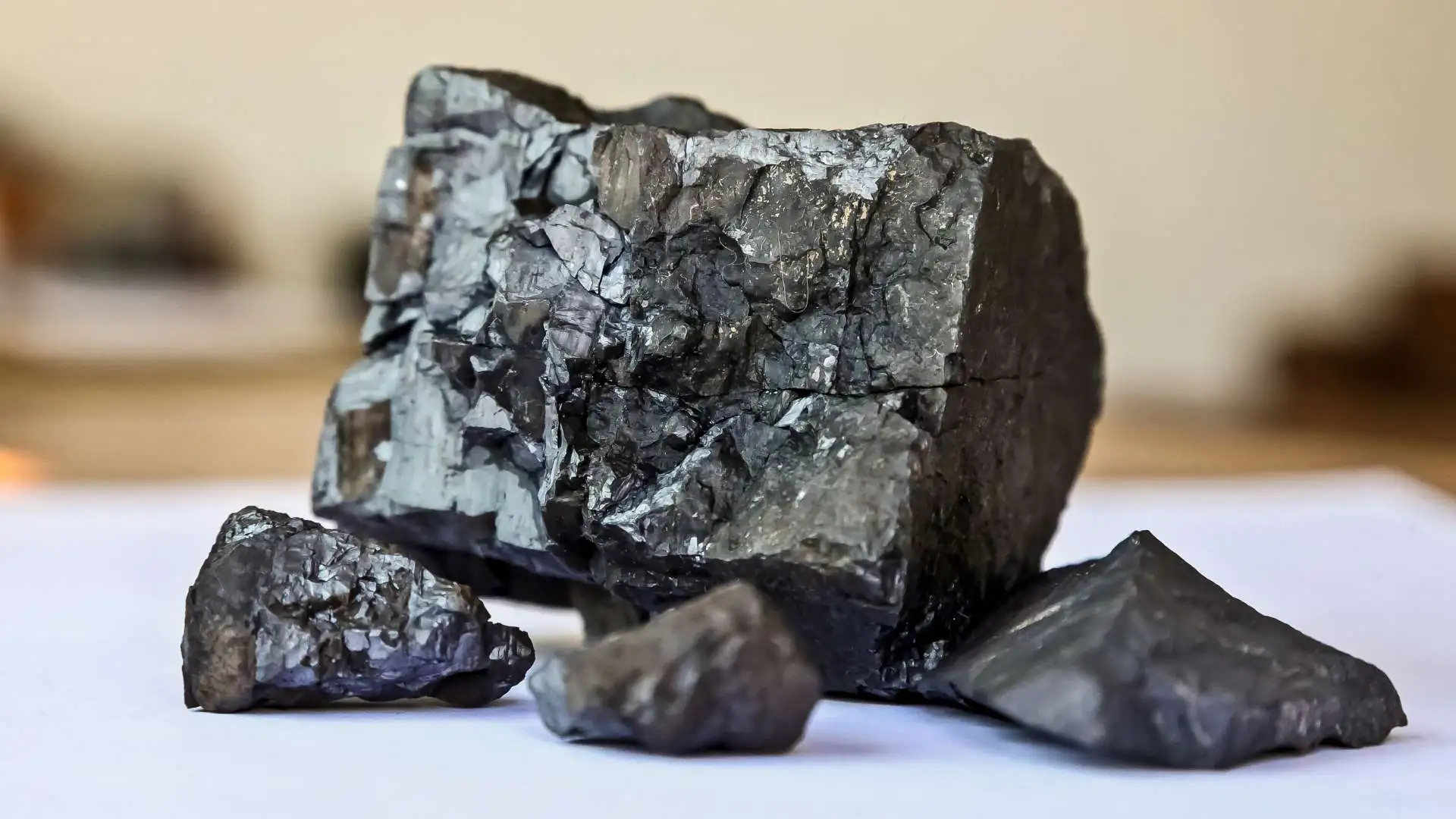
- Manganese alloys, if Gabon’s transformation policy produces them.
Why the tariff is the easy part
Chinese buyers require phytosanitary certification, traceability, contractual volumes and consistent quality. A Cameroonian exporter of pepper who can ship one container a quarter is not a supplier for a Chinese distributor. The bottlenecks are certification bodies, cold chains, warehousing and finance, not customs duties.
There is also the balance question. Duty-free access flows one way. Chinese manufactured goods already dominate Central African markets, and a preference that boosts raw material exports while leaving imports untouched deepens an existing asymmetry.
The practical piece
The service journalism here is concrete: which certifications does China require, which laboratories in the region are accredited, which freight routes exist, and which Chinese buyers are actually looking for Central African products. That is an article exporters will keep.