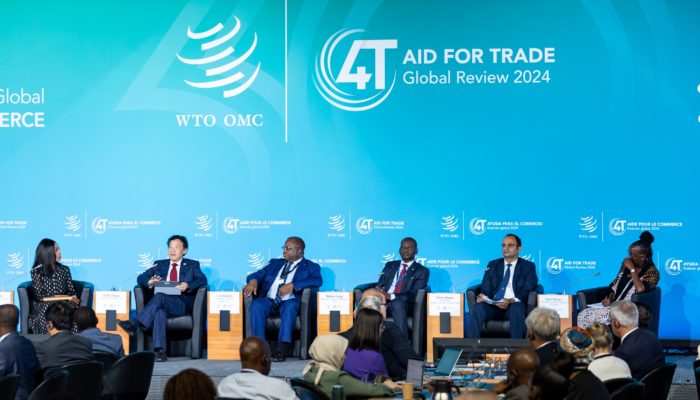


Cameroon hosted the World Trade Organization’s ministerial conference in March, only the second held on African soil. Ministers left without a declaration. The question now is what the host gained.
For four days, from 26 to 30 March 2026, Yaoundé hosted nearly 2,000 trade officials and more than 90 ministers for the WTO’s 14th Ministerial Conference. It was only the second time the organisation’s highest decision-making body had met in Africa, after Nairobi in 2015. Cameroon’s Trade Minister, Luc Magloire Mbarga Atangana, chaired it.
A minimalist outcome
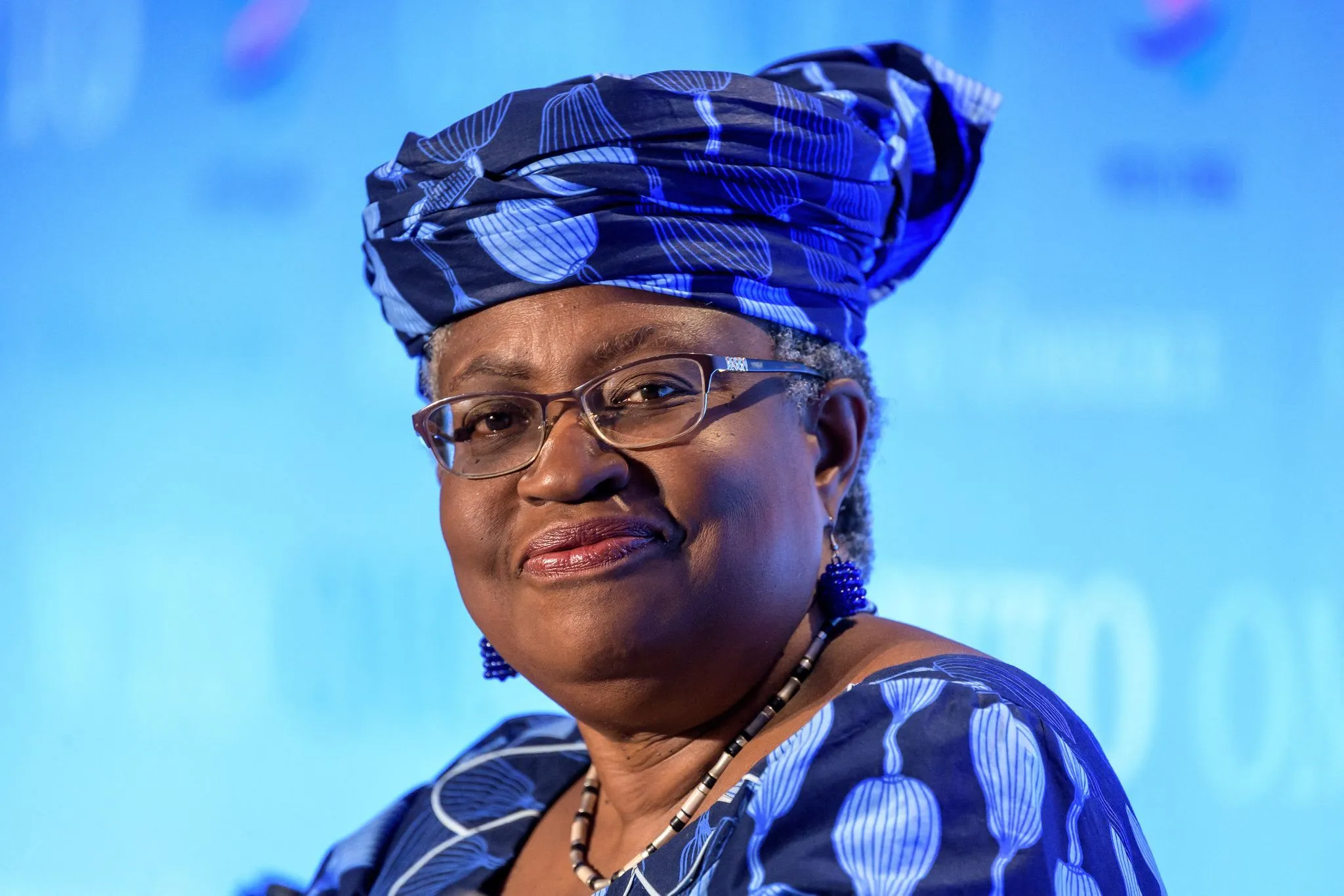
MC14 closed without an overall ministerial declaration and without agreement on its core priorities. The chair’s own summary was blunt: they ran out of time. Director-General Ngozi Okonjo-Iweala framed what remained as an unfinished “Yaoundé package”, to be completed in Geneva.
Ministers did adopt decisions on integrating small economies into the trading system and on the practical application of special and differential treatment in the sanitary and technical barriers agreements. They agreed to keep negotiating on fisheries subsidies. A joint declaration advanced the Investment Facilitation for Development agreement, now backed by well over a hundred members, and interim arrangements were adopted on electronic commerce.
What the host was buying
Hosting a ministerial is expensive: venues, security, hotels, transport, protocol. Cameroon bought visibility and a chairmanship. The article should establish the cost and the return with numbers rather than adjectives:
- What did MC14 cost the Cameroonian budget, and what share was covered by partners?
- How many delegates stayed, for how many nights, and what did the hospitality sector earn?
- What infrastructure was built or upgraded, and is it being used now?
- Did Cameroon secure anything for itself — technical assistance, an accession file, a trade facilitation project?
The diplomatic dividend
There is a less measurable return. A country that chairs a global negotiation acquires standing. Cameroon’s trade minister is now a known quantity in Geneva. Whether Yaoundé converts that into influence over the Yaoundé package will be visible at the next General Council meetings.