

From IMF-endorsed growth to world-class infrastructure and landmark peace-and-prosperity accords, the Democratic Republic of Congo is sending investors, travelers and the international community one clear message: the country is open, moving, and determined to compete.
A vision set at the very top
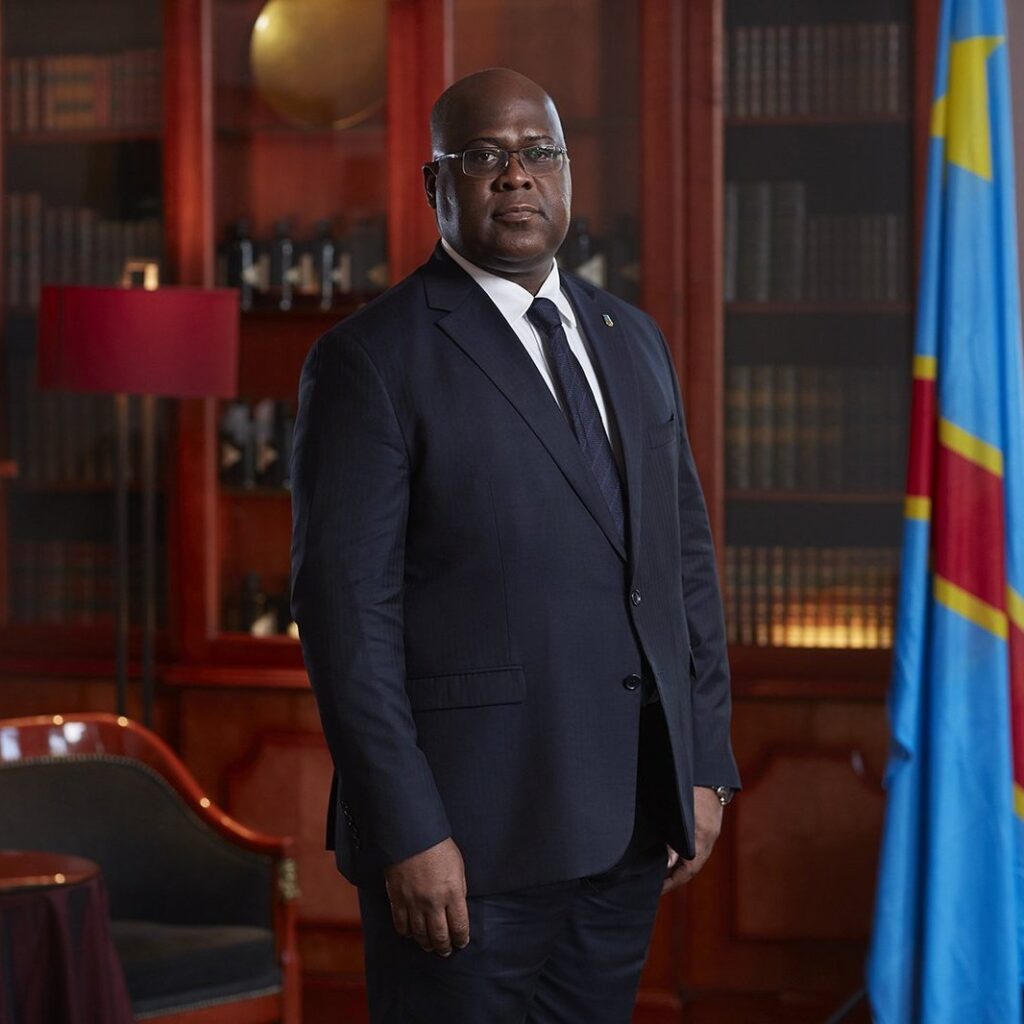
Every transformation starts with a vision. President Félix-Antoine Tshisekedi Tshilombo has made the DRC’s economic renaissance the defining ambition of his second term. At the 94th Council of Ministers, held on 10 July 2026 in Kinshasa, the Head of State set the course unambiguously: revenue mobilization must go hand in hand with a better business climate, anchored in what he called “a stable and predictable fiscal framework”, strict respect for administrative procedures, and permanent dialogue between the State and economic operators.
That presidential impulse is carried forward daily by Prime Minister Judith Suminwa Tuluka, who has made the business environment the first pillar of her government’s action program. Meeting international partners in Kinshasa, she left no room for doubt: “The government is committed to significantly improving the business environment,” she declared, linking that ambition directly to job creation and household purchasing power. Her cabinet has since rallied behind a dedicated business-climate roadmap designed to lift the DRC’s standing in the World Bank’s B-Ready assessment and deepen investor confidence.
Fundamentals endorsed by the world’s toughest examiners
The results are in — and they carry the IMF’s stamp. On 30 June 2026, the Fund’s Executive Board concluded the 2026 Article IV consultation and completed the third review under the Extended Credit Facility and the second under the Resilience and Sustainability Facility, unlocking roughly US$348.5 million in fresh disbursements and bringing total ECF disbursements to about US$1.03 billion.
The Fund’s diagnosis speaks for itself: the Congolese economy is resilient, with real GDP growth exceeding 5.5% in both 2025 and 2026, powered by renewed dynamism in construction, services and agriculture — proof that diversification is no longer a slogan but a measurable reality. Year-on-year inflation has held at 2.5% or below since October 2025, far under the Central Bank of Congo’s 7% target, while international reserves reached US$8.8 billion at end-March 2026 and were still above US$8.2 billion in early July, covering more than three months of imports. Under Governor André Wameso, reappointed by presidential ordinance, the central bank has established itself as a credible guardian of stability. Another milestone awaits: the DRC is on track to exit the FATF grey list as early as October 2026, a move that will ease correspondent banking and cut transaction costs for every operator in the country.
Economic diplomacy that is redrawing the regional map
The vision extends well beyond national borders. On 27 June 2025, the DRC signed a historic US-brokered peace agreement with Rwanda in Washington, followed on 4 December 2025 by the formal signing of the Washington Accords for Peace and Prosperity, presided over by President Donald J. Trump. At their heart lies the Regional Economic Integration Framework (REIF), a first-of-its-kind initiative designed to unlock the vast economic potential of the Great Lakes region and open opportunities for private capital.
A Strategic Partnership Agreement between the United States and the DRC completes the architecture, explicitly commending Kinshasa’s reforms toward clear and predictable regulatory frameworks. The expected dividends are substantial: the Lobito Corridor railway linking Katanga’s copper and cobalt heartland to the Atlantic; the regional Ruzizi III hydropower project; and the arrival of top-tier American players such as KoBold Metals and Starlink. In mining, US-based EVelution Energy has already teamed up with the state-owned Entreprise Générale du Cobalt and Swiss trader Trafigura — one more sign that global value chains are anchoring themselves on Congolese soil.
Infrastructure that changes everything
On the Atlantic coast, the country’s first deep-water port at Banana is entering its decisive phase. Developed by Dubai’s DP World, the world’s third-largest port operator, within a total investment estimated at US$1.2 billion, the project features a 600-meter quay and an annual capacity of 450,000 containers, with the first phase due for delivery by December 2026. “This project will transform the DRC’s maritime connectivity,” pledged DP World Chairman and CEO Sultan Ahmed Bin Sulayem. Championed personally by the Prime Minister as far as Dubai and closely monitored by Vice-Prime Minister Jean-Pierre Bemba, Banana will give the DRC direct access to global shipping lanes and slash logistics costs.
In the capital, the Port of Antwerp-Bruges will support the development of a major logistics base at Maluku as part of Kinshasa’s expansion plan. And in the skies, national carrier Air Congo has marked the return of Congolese aviation to European airspace after more than twenty-five years — a powerful symbol for business travelers and tourists alike.
Mining: from raw exports to local value
At Mining Indaba 2026 in Cape Town, Mines Minister Louis Watum Kabamba laid out the government’s industrial strategy before the world’s investors: moving the DRC from raw-material exports to local value creation, battery value chains and the industrialization of critical minerals — all underpinned by stronger legal certainty, ESG alignment and better governance. The stated goal is to offer investors an environment that is “predictable, transparent and competitive.” With the world’s largest cobalt reserves and a leading position in copper, the DRC is positioning itself as an indispensable player in the global energy transition.
A destination opening up to the world
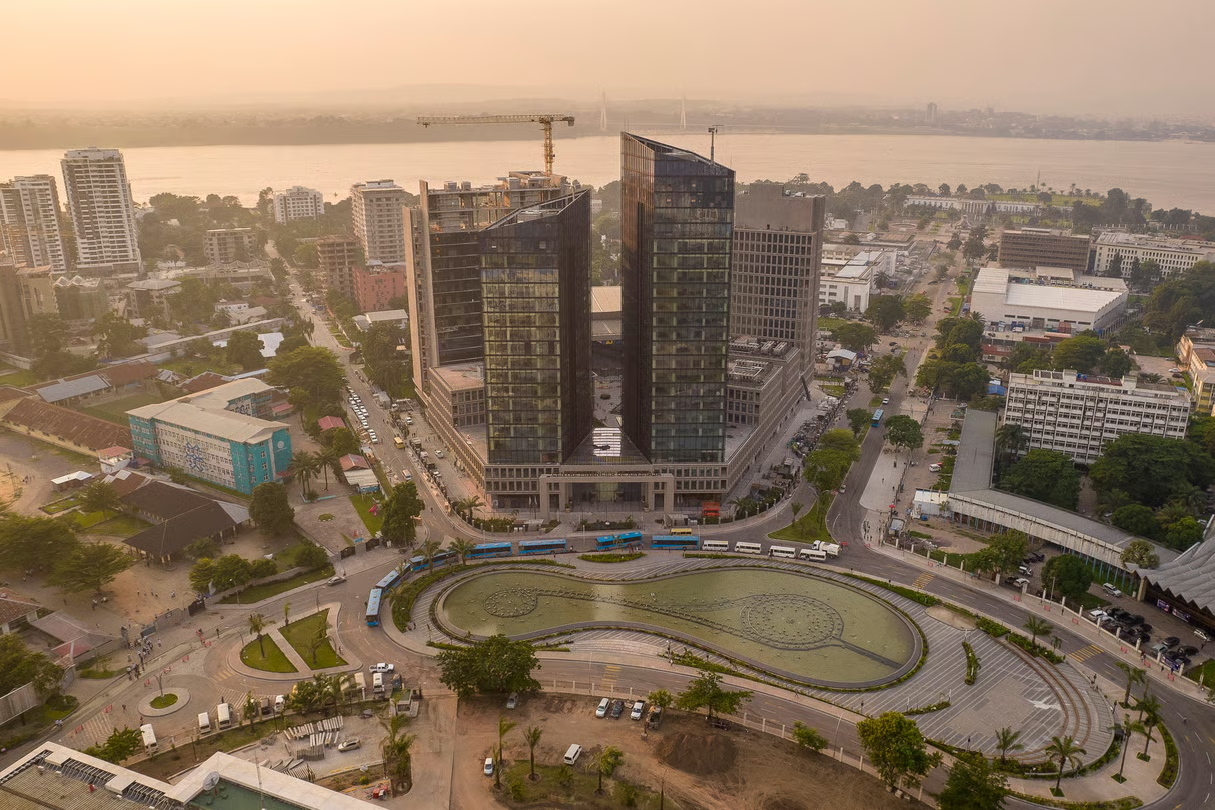
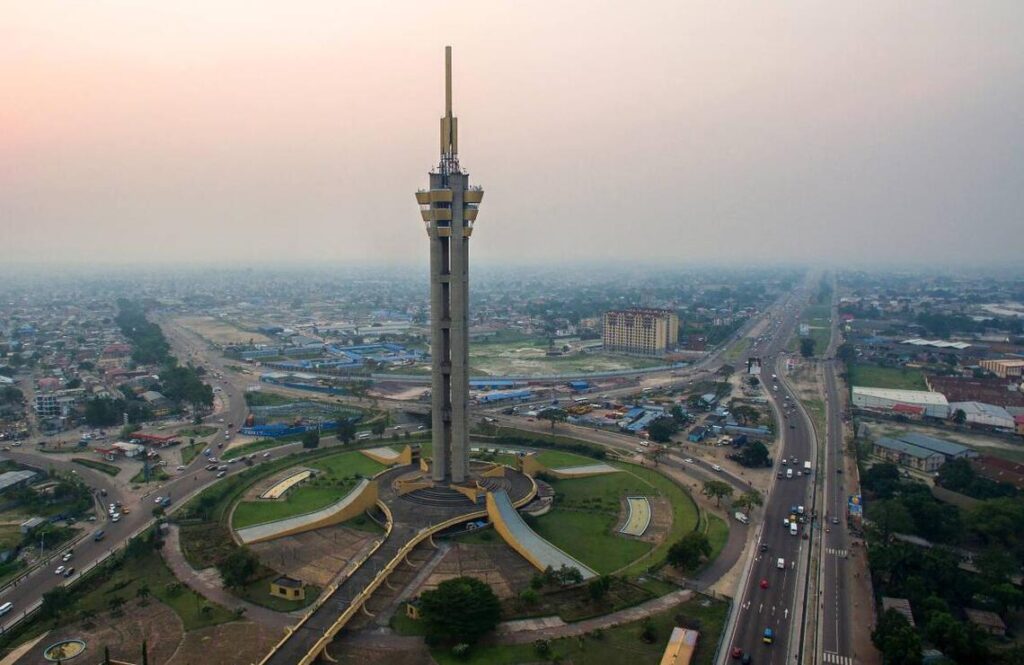
For travelers and global opinion, the reasons to look at the DRC with fresh eyes keep multiplying: the planet’s second-largest tropical forest, the majestic Congo River, and UNESCO World Heritage national parks sheltering mountain gorillas, okapis and bonobos found nowhere else on Earth. Kinshasa — beating heart of Congolese rumba, itself inscribed on UNESCO’s intangible heritage list — is asserting itself as one of Africa’s great cultural capitals, now engaged in a sweeping modernization drive. Direct air links with Europe and the stabilization momentum of the Washington Accords are drawing a promising new trajectory for Congolese tourism.
Staying the course
Growth above 5.5%, historically low inflation, record reserves, an IMF program on track, strategic partnerships with the world’s leading powers, and flagship projects nearing delivery: the Democratic Republic of Congo is no longer making promises — it is delivering proof. The forward-looking vision set by President Félix Tshisekedi is unfolding methodically, reform after reform, project after project. The message from Kinshasa can now be heard on every continent: the DRC is open, the DRC is moving, and the DRC intends to rank among the great investment destinations of the decade.