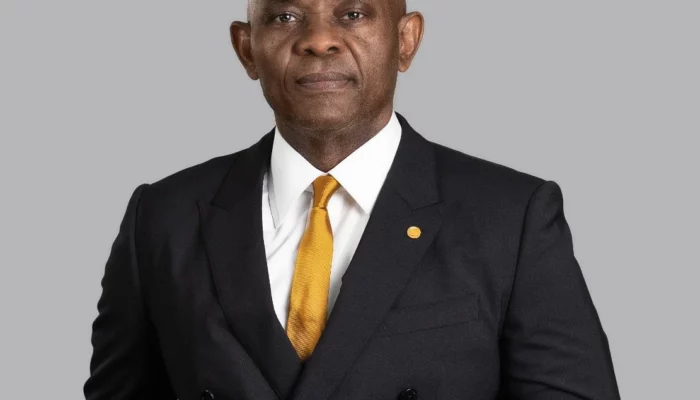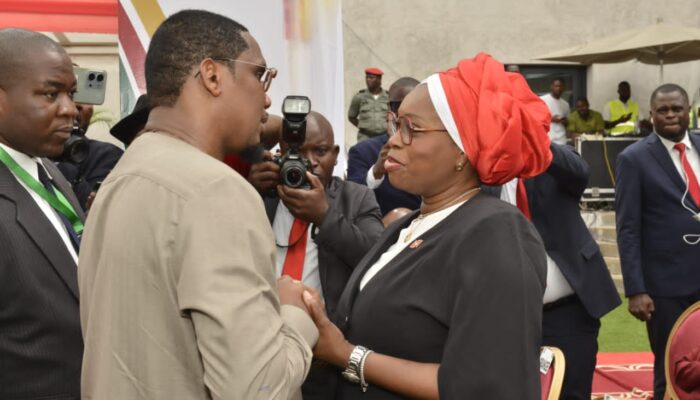


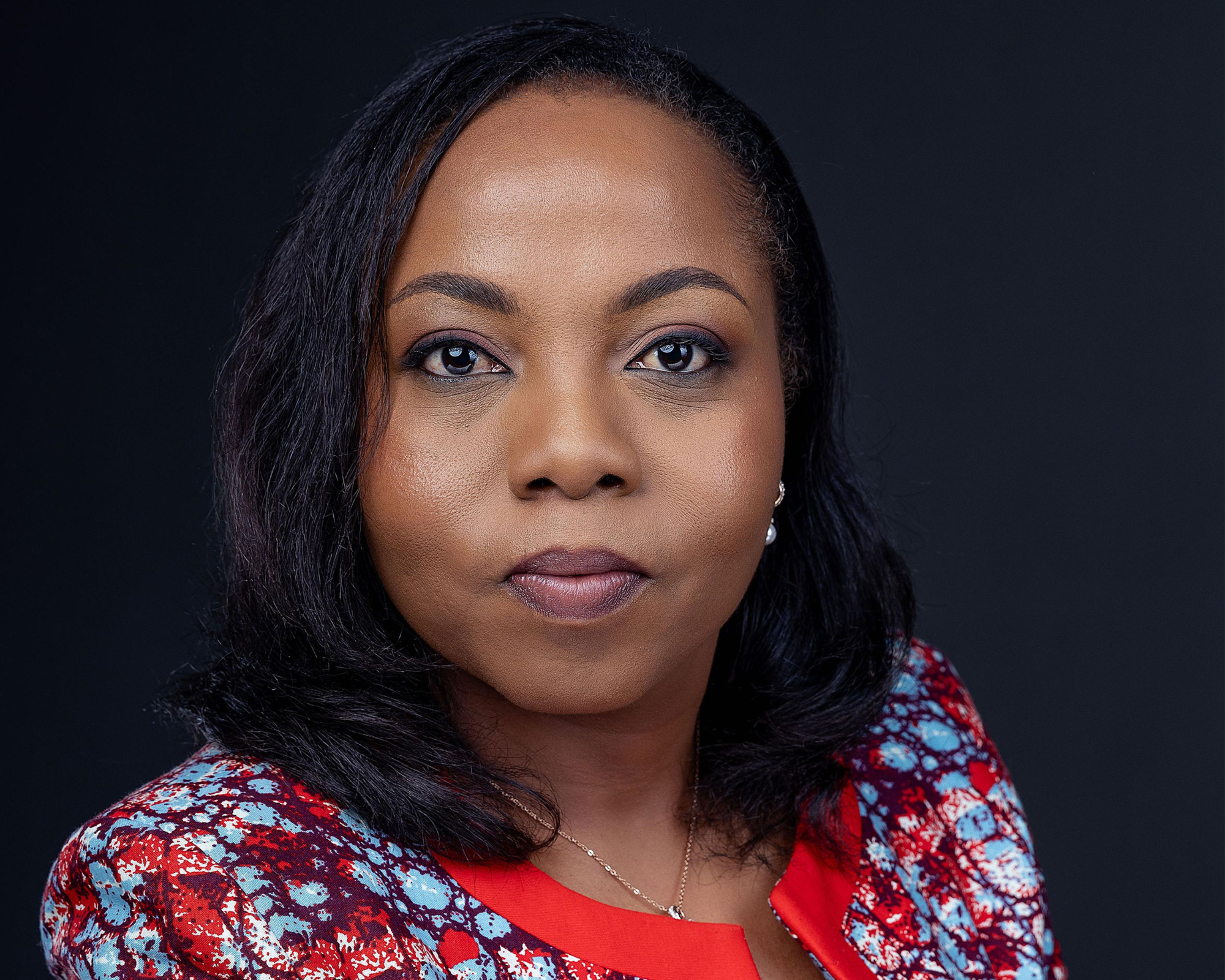
Aliko Dangote is eradicating polio in Nigeria alongside Bill Gates. The Rockefeller Foundation is betting on electrifying 300 million Africans. Tony Elumelu has funded 27,000 entrepreneurs across 54 countries. And Idris Elba is converting his global fame into diplomatic leverage for local farmers. The TIME 100 and TIME100 Philanthropy 2026 honor a profound shift: Africa is no longer the continent of emergency charity—it is the laboratory where the new rules of global giving are being rewritten. A deep dive into the philanthropists saving lives by funding systems, not band-aids.
When Philanthropy Becomes Infrastructure
Every year, TIME ranks the most influential people on the planet. But with its TIME100 Philanthropy list, the magazine spotlights a different kind of power: the kind that does not conquer, but repairs, funds, and saves. The 2026 edition consecrates an unprecedented transformation across the African continent.
Gone are the days when aid boiled down to externally managed emergency interventions. Africa is now attracting impact philanthropy—structured, transformative, and radically different. The logic has flipped: yesterday, we funded the emergency. Today, we fund the systems capable of making tomorrow’s emergencies obsolete.
These philanthropists do not hand down ready-made solutions. They finance Africans capable of sustainably solving their own challenges. That is precisely where the continent’s next silent revolution is being played out.
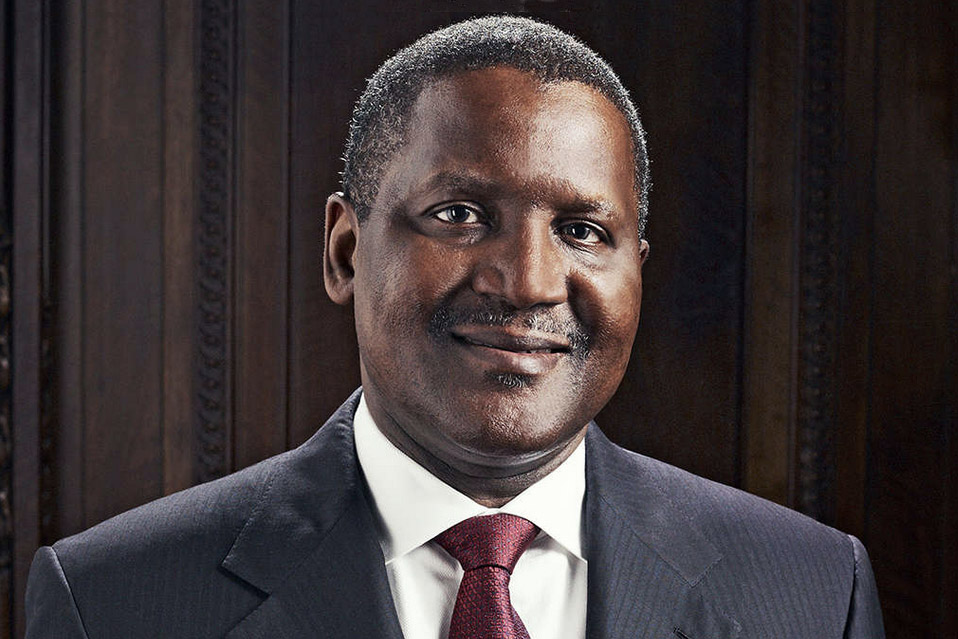
Aliko Dangote: The Social Architect Who Thinks in Billions and Measures in Lives Saved
Category: Titans — TIME 100 2026
Already featured in the TIME 100 rankings, Aliko Dangote stands out as one of the few African philanthropists cited at the highest global level. With an estimated fortune of $28.5 billion, the Nigerian industrialist has become a true social architect through the Dangote Foundation.
His work targets structural emergencies: the fight against child malnutrition, access to care, and the economic empowerment of women. But his most remarkable commitment remains the battle against polio in Nigeria, waged alongside the Bill & Melinda Gates Foundation, which has contributed to durably pushing back the disease. He embodies a new generation of African patrons who think in billions but measure their impact in lives saved.
His Lagos oil refinery, with a capacity of 650,000 barrels per day, and his industrial empire (cement, sugar, fertilizer) create jobs while generating the surpluses needed for his social programs. Tony Elumelu describes him as “tireless, resilient, and visionary.” This is his second appearance on the list, following 2014, when Bill Gates himself wrote his profile.
Economic lesson: Dangote proves that structured philanthropy, coupled with an industrial ecosystem, generates more impact than cash transfers alone. His “business + foundation” model creates jobs while funding nationwide health programs.
Mohammed Dewji: The Billionaire MP Who Refuses to Leave the Ground
Category: TIME100 Philanthropy 2026
A signatory of the Giving Pledge, Tanzanian billionaire Mohammed “Mo” Dewji has poured millions through his Mo Dewji Foundation to finance boreholes in arid zones and rural healthcare units across East Africa. President of the family-owned MeTL Group (consumer goods, fuel, transport), he also served ten years as a Member of Parliament in Tanzania, during which he drew from his own fortune to equip schools, dig wells, and install farming equipment.
His foundation has already injected over $5 million into health, water, and education programs. This past December, the Mo Scholars Program received over 2,600 applications, a 65% year-over-year increase. In 2016, Dewji pledged to give away “well above half” of his fortune, estimated at over $2 billion. “All these material comforts are temporary accessories,” he stated.
Measurable impact: From distributing mosquito nets to training young entrepreneurs in finance, Dewji embodies grassroots philanthropy, anchored in the rural realities of East Africa. He does not parachute in solutions: he builds wells where thirst kills, and clinics where distance is a death sentence.
Alice Kang’ethe: The Battle for African Mothers’ Lives
Category: Trailblazers — TIME100 Philanthropy 2026
Alice Kang’ethe is CEO of The End Fund, an organization dedicated to neglected tropical diseases. But it is her role in the Beginnings Fund that earns the Kenyan her place on the TIME100 Philanthropy 2026 list. Launched in April 2025, the fund aims to reduce maternal and neonatal mortality by targeting what she calls the “core drivers of death.”
The numbers are staggering: in 2023, 700 women died in childbirth every single day worldwide, with 70% of those deaths occurring in Sub-Saharan Africa. The Beginnings Fund has already raised $493 million and approved 30 grants totaling $199 million across six countries: Malawi, Rwanda, Zimbabwe, Ethiopia, Kenya, and Tanzania.
In Malawi, the fund identified that more than half of maternal deaths involved mothers delivering by C-section. The response? Targeted investments, co-designed with governments, including portable point-of-care ultrasound machines and addressing healthcare workforce shortages. “We want this to be not just a project, but an investment that truly changes the trajectory of maternal and newborn health on the continent,” Kang’ethe affirms.
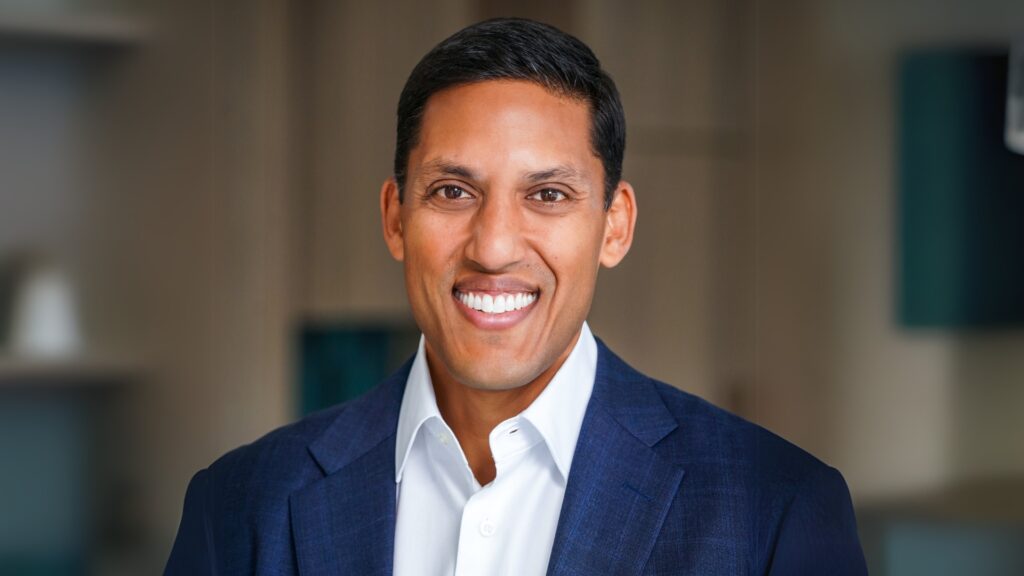
Rajiv J. Shah & The Rockefeller Foundation: The “Big Bets” Electrifying the Future
Category: Visionaries — TIME100 Philanthropy 2026
On the international actors’ side, Rajiv J. Shah, President of the Rockefeller Foundation, embodies a philanthropy that bets on infrastructure as a prerequisite for sustainable public health. His credo? “Big Bets.”
With the Mission 300 initiative, the goal is to connect 300 million Africans to electricity by 2030. An infrastructure project whose health impact is direct: without power, rural hospitals cannot operate, and the cold chain for vaccines cannot be guaranteed. Electrification is not a luxury—it is a bulwark against mortality.
This systemic approach marks a turning point. Philanthropy no longer settles for distributing mosquito nets or medication: it finances the electrical grids that will allow clinics to function at night, refrigerators to preserve antivenom serum, and surgeons to operate without interruption. It is an investment in the continent’s health autonomy.
Tony & Awele Vivien Elumelu: Entrepreneurship as a Bulwark Against Precarity
Category: Leaders — TIME100 Philanthropy 2026
Can you save lives by funding startups? Extreme poverty being the leading cause of mortality on the continent, economic empowerment is a matter of survival. Tony and Awele Vivien Elumelu are among the major faces of this paradigm shift.
Through the Tony Elumelu Foundation, they have already supported over 27,000 entrepreneurs across 54 African countries. The model is simple and devastatingly effective: $5,000 in seed capital, mentorship, and operational support. Thousands of local businesses (agriculture, health, fintech, logistics, energy) have been born from this program.
Their philosophy cuts sharply against traditional aid: the goal is not to “help” Africa, but to invest in its capacity to produce its own prosperity. This is philanthropy that does not hand out solutions—it creates builders. Each funded entrepreneur generates an average of 3 to 5 direct jobs. Multiplied by 27,000, the impact becomes a wave of job creation capable of transforming local economies.
Idris & Sabrina Dhowre Elba: From the Silver Screen to Diplomatic Leverage
Category: Leaders — TIME100 Philanthropy 2026
“The world needs Africa more than Africa needs the world.” This statement by Idris Elba sums up the couple’s philosophy, now recognized as one of the most energetic philanthropic duos on the planet.
The British-Sierra Leonean actor and his wife lead the Elba Hope Foundation, with a focus on food resilience, smallholder rural farmers, and the fight against nutritional insecurity. Their greatest strength lies in their ability to convert global fame into diplomatic leverage, mobilizing international attention for African agriculture.
Idris Elba’s own story is a philanthropic fairy tale: it was a £1,500 grant from the Prince of Wales (now King Charles III) that allowed him to fund his acting studies. Today, the Elbas pass that same chance on to thousands of young Africans, while reminding us that cultural influence can irrigate real development.
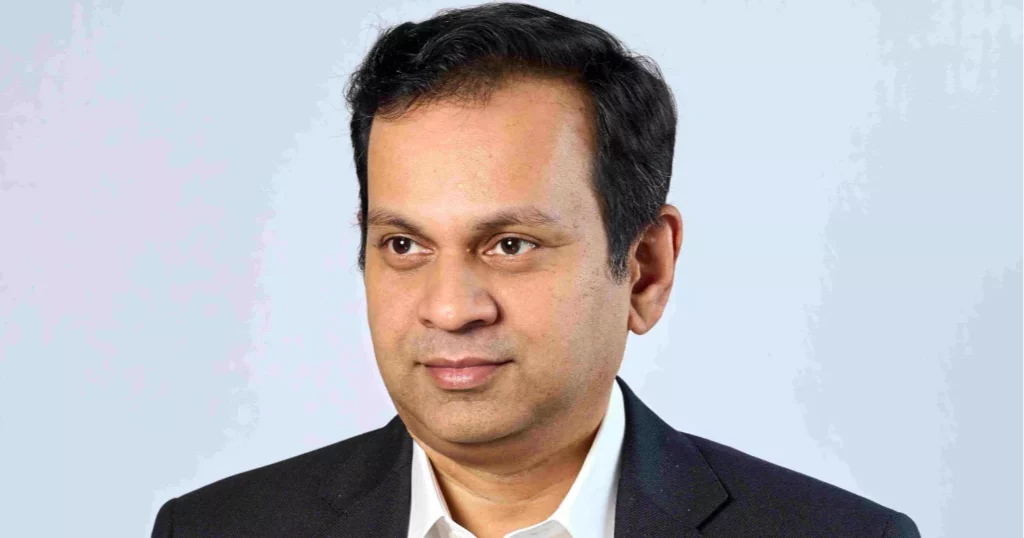
Asif Saleh & BRAC: The Global South Model Reinventing International Aid
Category: Leaders — TIME100 Philanthropy 2026
Asif Saleh is Executive Director of BRAC, the world’s largest Global South NGO. Founded in Bangladesh in 1972, BRAC operates in 14 countries across Asia and Africa, with a simple philosophy: treat people as agents of their own change, not passive beneficiaries.
BRAC’s numbers are staggering: 15 million children educated, $7 billion in annual microfinance lending, and over 2.3 million families lifted out of extreme poverty through its “graduation” model. Today, only 10% of BRAC’s Bangladesh budget comes from donors; the rest is generated by microfinance surpluses and social enterprises.
Saleh, a former Goldman Sachs executive, embodies a new generation of leaders who believe that “impact and sustainability are the same goal, not competing ones.” In a context of drastic cuts to public development aid, the BRAC model offers a roadmap for Africa: invest in people’s capacity, and the returns will be extraordinary and lasting.
MacKenzie Scott, Buffett, Bloomberg: The World’s Mega-Donors Rediscovering Africa
Long perceived solely as an aid recipient, the African continent is now becoming an innovation lab for the planet’s biggest donors. Global figures such as MacKenzie Scott, Warren Buffett, Michael Bloomberg, and Chris Hohn are multiplying high-impact investments in African health, climate, and entrepreneurship.
Through her Yield Giving initiative, MacKenzie Scott has distributed over $19 billion to more than 2,000 organizations since 2019. In March 2023, she donated $7 million to Village Enterprise, an NGO aiming to lift 20 million people out of extreme poverty in East Africa by training first-time entrepreneurs. Her method? Massive, unrestricted grants built on trust. “Invest in people’s capacity, and the returns are extraordinary,” her approach sums up.
For Africa, this model represents a powerful alternative to traditional aid: fund local expertise and African innovation as the first line of response to crises.
Africa, Co-Author of the New Rules of Global Giving
The profiles emerging from the TIME 100 and TIME100 Philanthropy 2026 draw a new map of giving in Africa. This is no longer the paternalistic philanthropy of yesteryear, but an ecosystem where:
- The industrialist (Dangote) eradicates polio while building refineries;
- The infrastructure visionary (Rockefeller/Mission 300) electrifies millions of homes to save lives in hospitals;
- The entrepreneur (Elumelu) funds 27,000 startups because poverty kills more than wars;
- The artist (Elba) converts his fame into agricultural diplomacy;
- The engaged politician (Dewji) digs wells where thirst is a verdict;
- The public health specialist (Kang’ethe) measures impact at continental scale;
- The NGO leader (Saleh) proves the Global South can export its own models.
These philanthropists do not “save” Africa. They invest in its human resources, its infrastructure, and its innovations. The implicit message of this TIME 100 selection is clear: Africa is no longer merely a beneficiary of charity. It is becoming co-author of the new rules of global giving. The most visionary philanthropists have understood it: saving lives in Africa no longer means parachuting in solutions, but financing Africans capable of sustainably solving their own challenges. That is precisely where the continent’s next silent revolution is being played out.