
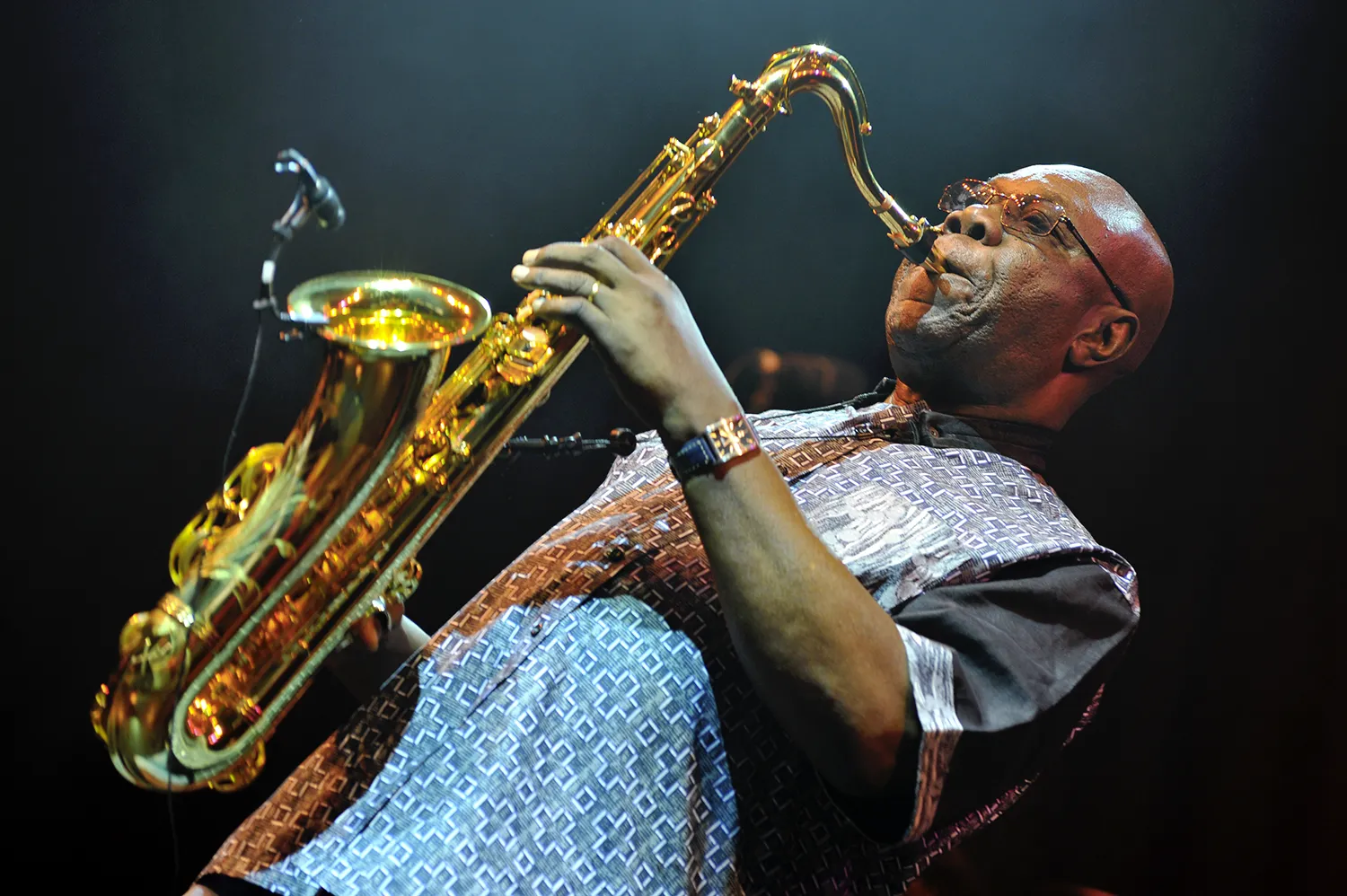
One phrase from a Cameroonian saxophonist’s 1972 B-side became one of the most recognisable refrains in pop music. The story of who got paid, and when, is the story of African music’s relationship with the global industry.
In 1972, Manu Dibango recorded “Soul Makossa” in Paris. It was the flip side of a record made for the Africa Cup of Nations. A New York DJ found it, the clubs adopted it, and a Cameroonian saxophone line entered American pop.
A decade later, the phrase appeared on one of the best-selling albums in history. Dibango pursued the matter and reached a settlement. In 2009 he went to court again over a later chart hit that used the same phrase. He died in March 2020, one of the first internationally known musicians killed by Covid-19.
Why the case still matters
The Dibango story is not nostalgia. It is a template that repeats every year in different forms:
- Samples and interpolations. African rhythms, hooks and melodies are borrowed constantly. Clearing them requires lawyers most African artists do not have.
- Registration. A work that is not registered with a collecting society, in the right territories, generates royalties that are never claimed.
- Publishing deals. Young artists sign away publishing rights early for advances that look large and are not.
- Streaming attribution. Metadata errors mean payments go to the wrong rights holder, or nowhere.
What the article should do
It should follow one recent case from start to finish: a Central African song sampled or interpolated by an international act, and what the original artist actually received. That requires access to contracts and, ideally, to the artist. Where the documents are not available, the article should say so.
The practical service
An accompanying box would be genuinely useful: how a Cameroonian, Gabonese or Congolese songwriter registers a work internationally, which societies matter, what a publishing administration deal costs, and what to check before signing.