

Cannes 2026 — An opening ceremony of rare precision, carried by an actress who turned the 79th Festival stage into her territory of conquest
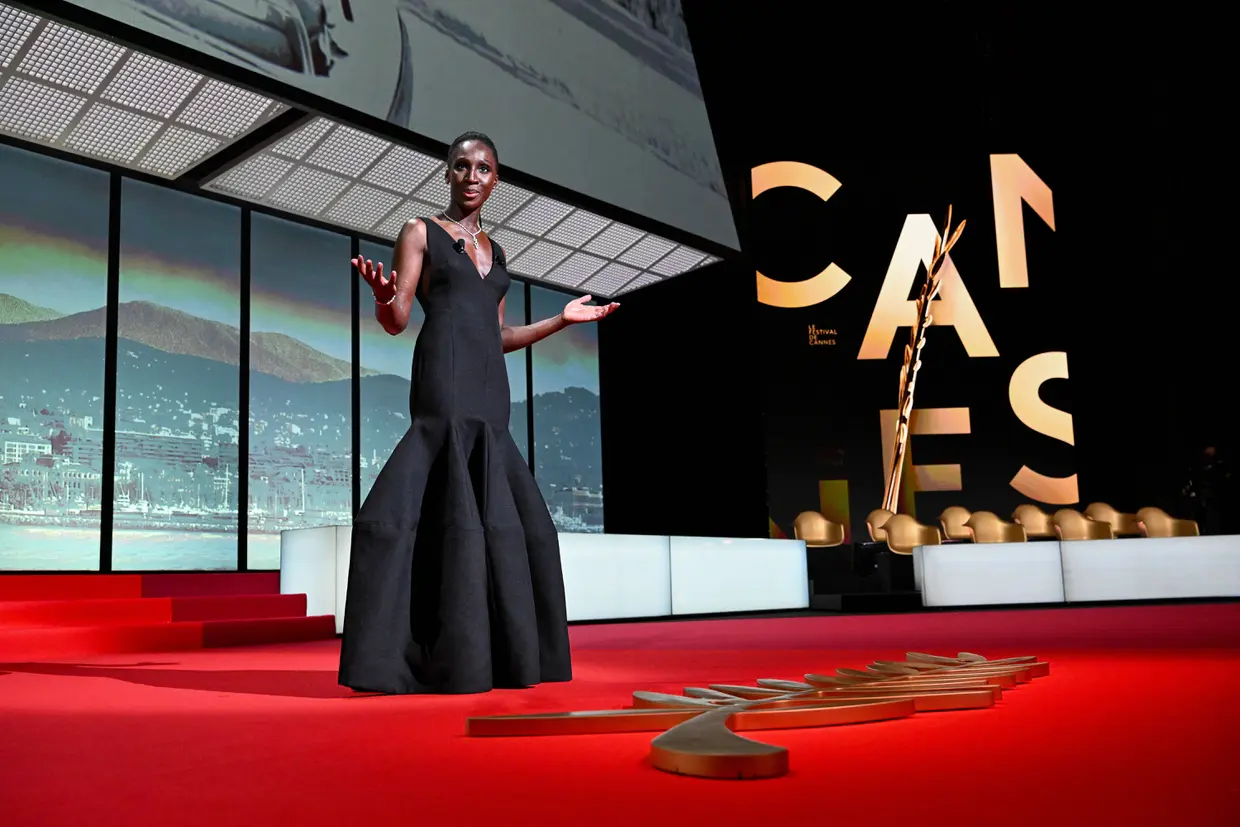
There are nights when cinema stops being an industry and becomes a temple again. This Tuesday, the Grand Théâtre Lumière didn’t host an opening ceremony. It witnessed a transfiguration.
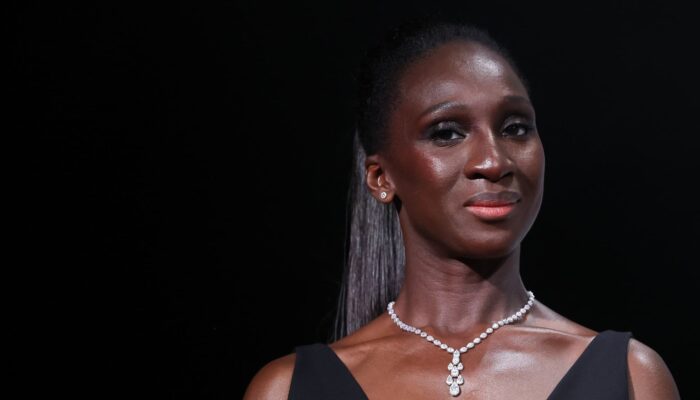
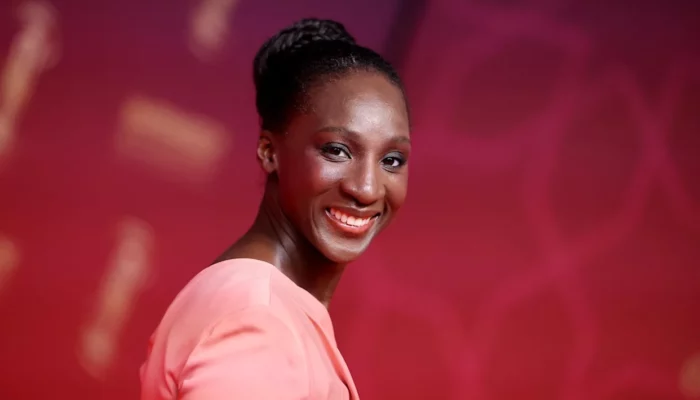
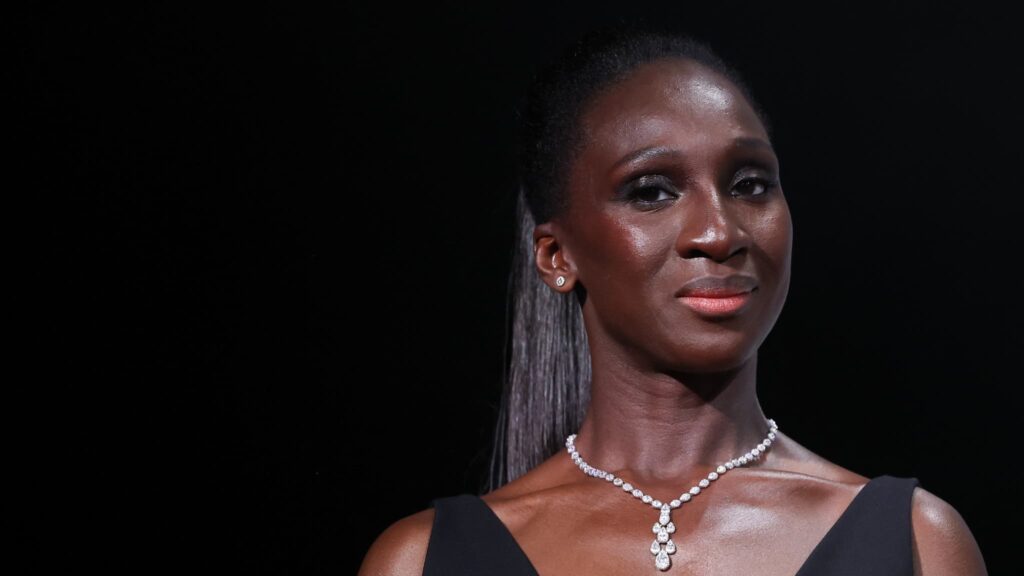
Eye Haïdara walked on stage. Forty-five minutes later, nobody walked out untouched.
A Silent, Thunderous Rise
When Thierry Frémaux announced, late March, that the Franco-Malian actress would succeed Laurent Lafitte as master of ceremonies for the 79th Cannes Film Festival, a few eyebrows went up. Eye Haïdara? The one we discovered radiant yet understated in Le Sens de la fête? The one who chained Les Femmes du square, Brillantes, Six Days in Spring without ever surrendering to easy stardom?
The answer dropped on May 12, with the gentle brutality of an obvious truth: yes, her. And not just because she deserved it. Because she was the only one who could do it like this.
“I Wanted to Do Something That Felt Like Me”
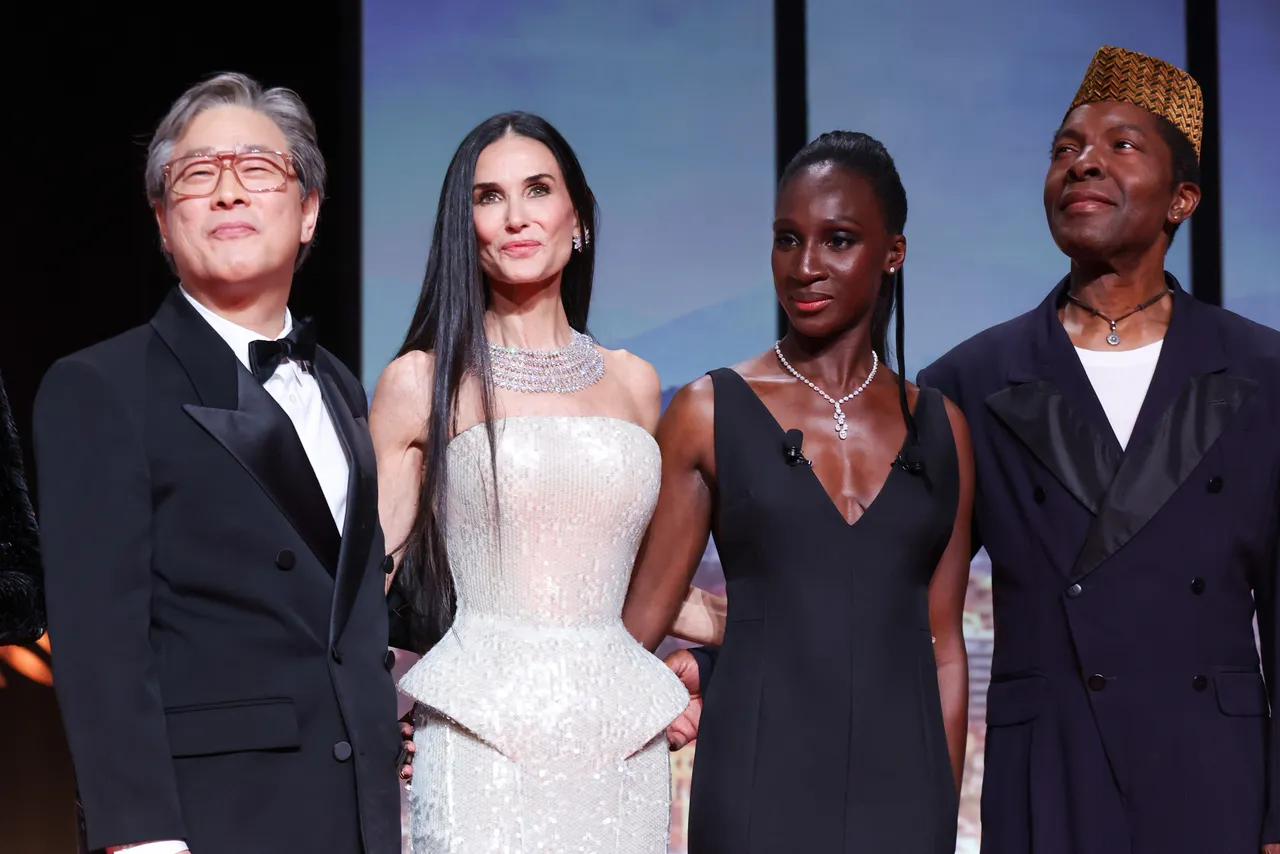
That’s what she told France Inter the morning after, with that modesty that fools no one. But that night, on the Lumière stage, in front of Park Chan-wook, Demi Moore, Gong Li, Chloé Zhao, Isaach de Bankolé, Ruth Negga, and thousands of global cinema royalty, Eye Haïdara didn’t do something that felt like her.
She did something that exceeded what anyone thought of her.
Accompanied by the vibrating strings of Miri Ben-Ari — the American violinist she has admired for years and whom she “called like a little girl dreaming” — she opened the ceremony with a tribute to cinema that silenced the room: “To those stories that resonate in the hollow of our chest and alone draw all of humanity.”
No pathos. No hollow grandiloquence. Just the precision of a woman who knows what cinema has given her, and who chose this night to give it back to the world.
Humor as a Weapon of Mass Seduction
What tipped the evening into unforgettable territory was the moment Eye Haïdara decided to take on the critics. With a sly smile and disarming ease, she dissected the archetypes of film criticism — the warm ones (“A scent of Palme on the Croisette“), the scholarly ones (“The film organizes a topographical porosity of social spaces where verticality becomes the vector of a symbolic contamination of classes” — “That’s a real one“, she added, laughing), and finally the brutal ones, backed by a melancholic melody from Miri Ben-Ari: “The film raises a major question: Why isn’t the end credit closer to the opening one? That one, we take it on the chin, we breathe, and we move forward.“
The Grand Théâtre Lumière exploded with laughter. Not the polite chuckle of gala nights. That honest, liberating laugh that marks the birth of a cult moment.
A Tribute to Giants, a Lesson in Class
Then, in a movement of infinite grace, she turned the page toward pure emotion. She evoked the films that built her cinephilia — Notting Hill, Taxi Driver, Un Prophète, A Man and a Woman — before delivering a moving tribute to Nathalie Baye, who had passed away weeks earlier: “A woman of immense elegance, and infinite delicacy toward others.”
The tone was set. This was no longer a ceremony. It was a declaration of love to the seventh art, delivered by a woman who carries within her all the luminous contradictions of cinema: lightness and gravity, laughter and tears, memory and future.
The Verdict of the Croisette
The reactions didn’t wait. In the room, faces relaxed, applause grew, then became a standing ovation. Social media ignited the Cannes night. “Perfect master of ceremonies,” “Incredible class,” “She brought everyone together” — comments flooded in, unanimous.
What the celebrities present understood that night was that Eye Haïdara wasn’t there to host. She was there to preside. With that natural elegance that cannot be taught, that deep cinematic culture that cannot be improvised, and that rare ability to make a room of 2,300 people laugh without ever lowering the bar.
The Actress We Hadn’t Seen Yet
Beyond the ceremony, that night revealed something deeper: the potential of Eye Haïdara. We had loved her in Le Sens de la fête for her naturalness. We had respected her for her quiet yet steady trajectory. But on May 12, 2026, we understood that we hadn’t seen anything yet.
With L’Objet du délit by Agnès Jaoui in out-of-competition selection and Mata by Rachel Lang in theaters on May 27, 2026 marks her year of consecration. But it was on the Cannes stage, far from fiction cameras, that she proved she could carry the weight of a global event alone.
The Lesson of a Night
Eye Haïdara didn’t open the 79th Cannes Film Festival. She inaugurated it, in the ancient sense of the word: she laid the first stone of a fortnight by giving it its soul. With Miri Ben-Ari as musical shadow, with Bérénice Bejo as silent advisor (the first person she called to prepare her “45 minutes”), with the memory of her father and her VHS collection — including Rue Case-Nègres by Euzhan Palcy, “watched many times and whose lines I still know” — in every word spoken.
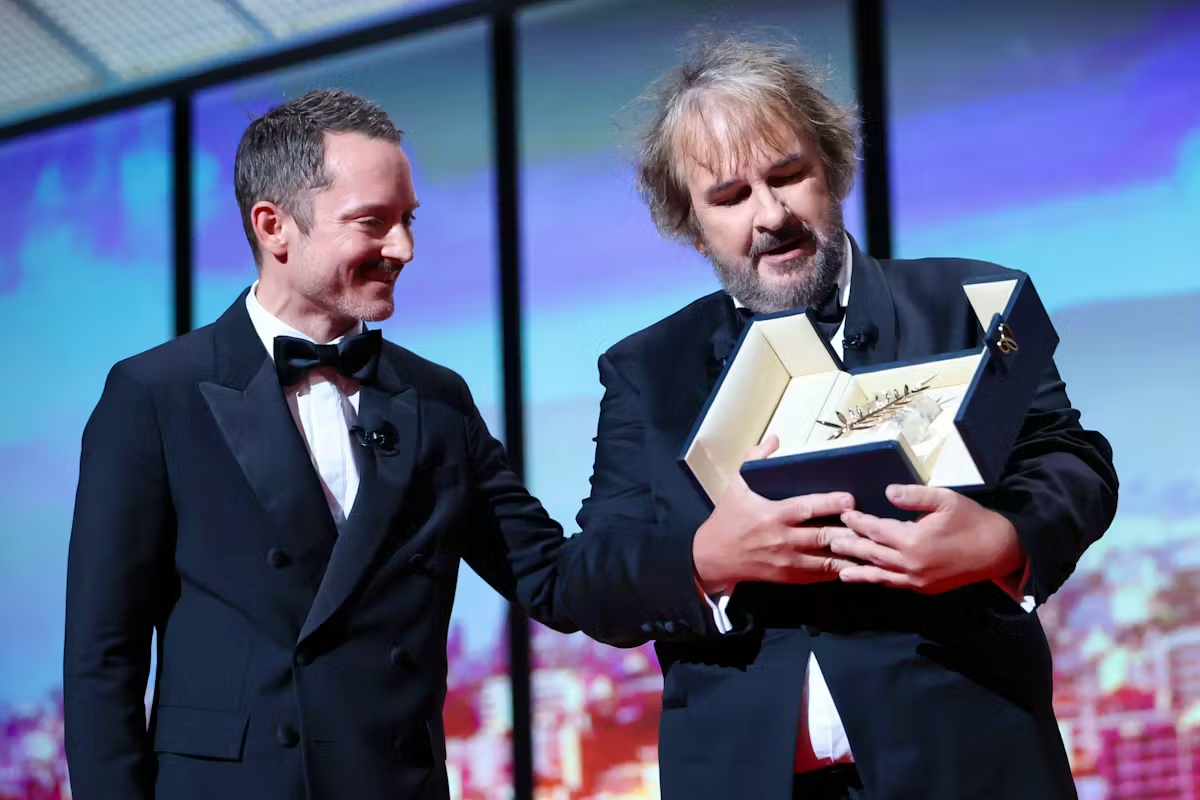
When Peter Jackson came up to receive his Honorary Palme d’Or from Elijah Wood, it was Eye Haïdara who asked the filmmaker to stay on stage, sealing a moment of palpable emotion. When the jury presided by Park Chan-wook took their seats, she had already set the tone: that of a festival celebrating cinema not as a competition sport, but as a universal language.
What She Said Without Saying It
On France Inter, the morning after that historic night, Eye Haïdara summed up her intention with disarming simplicity: “I wanted to do something that felt like me.”
But that night, she did far more. She did something that felt like the cinema we love: sincere, generous, funny, moving, and deeply human.
And in the end, isn’t that the most beautiful definition of an actress?
The 79th Cannes Film Festival runs through May 23, 2026. Eye Haïdara will also host the closing ceremony. If she lives up to what she gave us Tuesday night, the Palme d’Or won’t be the only award of this edition. French cinema, for its part, will have already won.