
American international broadcasting was cut back sharply in 2025. In parts of Central Africa, those signals were the main source of independent news. Something will fill the gap. The question is what.
For decades, international broadcasters — American, British, French, Chinese — carried news into places where domestic media were weak, censored or absent. The United States sharply reduced its international broadcasting in 2025, affecting services in African languages. Other international broadcasters have also trimmed their African language output in recent years.
What is lost
- Reach. Shortwave and FM relays reach rural areas where internet penetration is low.
- Language. Services in Hausa, Swahili, Kinyarwanda, French and Portuguese served audiences no commercial broadcaster targets.
- Training. These organisations trained generations of African journalists.
Who moves in
Three candidates. Local commercial and community radio, which is closest to audiences but least funded. Other state broadcasters — Chinese, Turkish, Russian and Gulf — which have expanded their African output and bring their own editorial lines. And social platforms, where reach is high and verification low.
The Central African angle
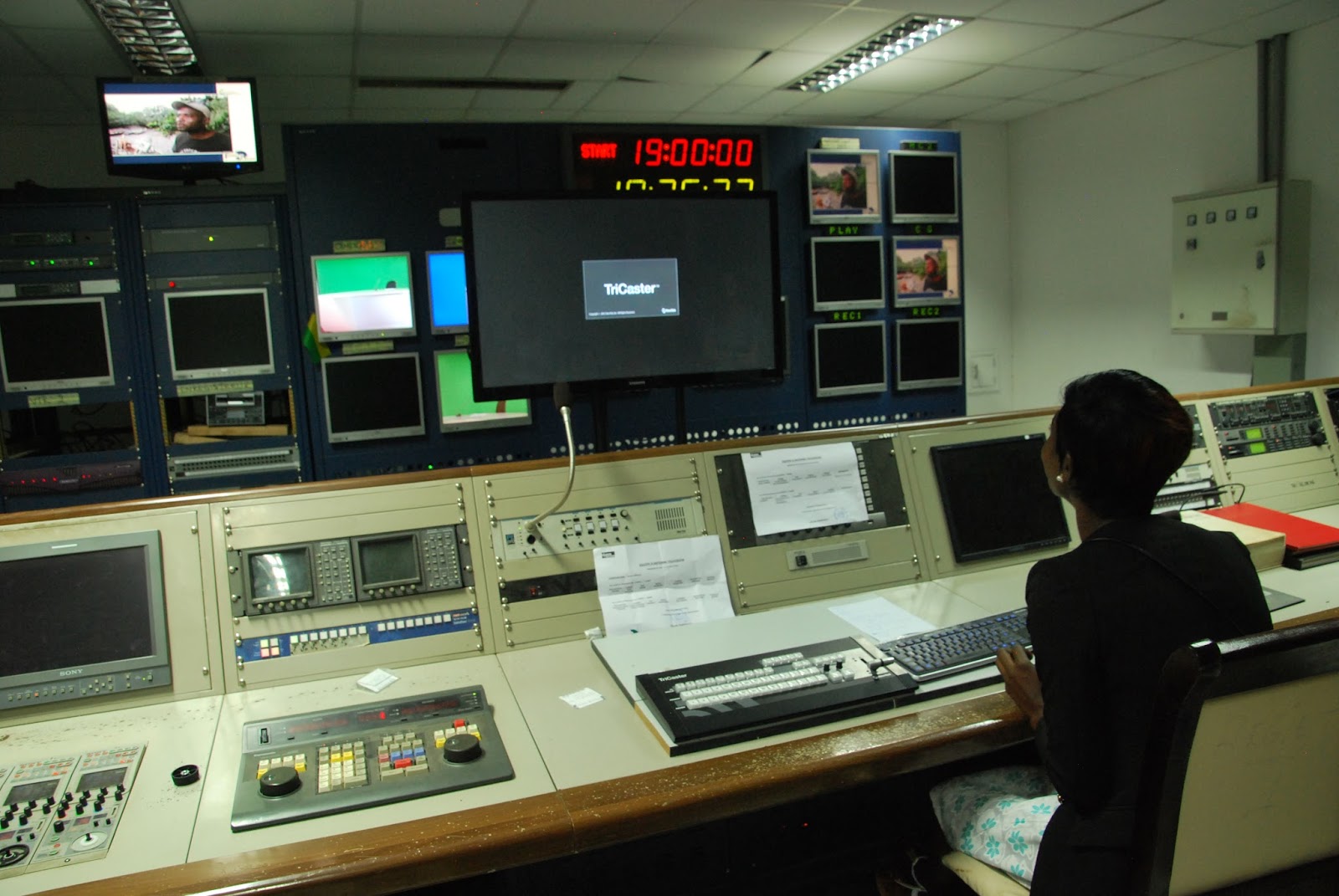
In a region with a fragile press economy, restricted access in conflict areas and periodic internet disruptions, the retreat of international broadcasters is not an abstraction. The article should establish which services were actually available in the six CEMAC states, which have stopped, and what audiences are listening to now.