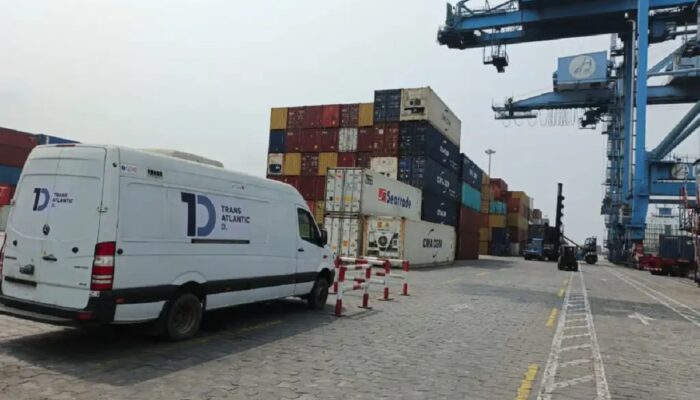


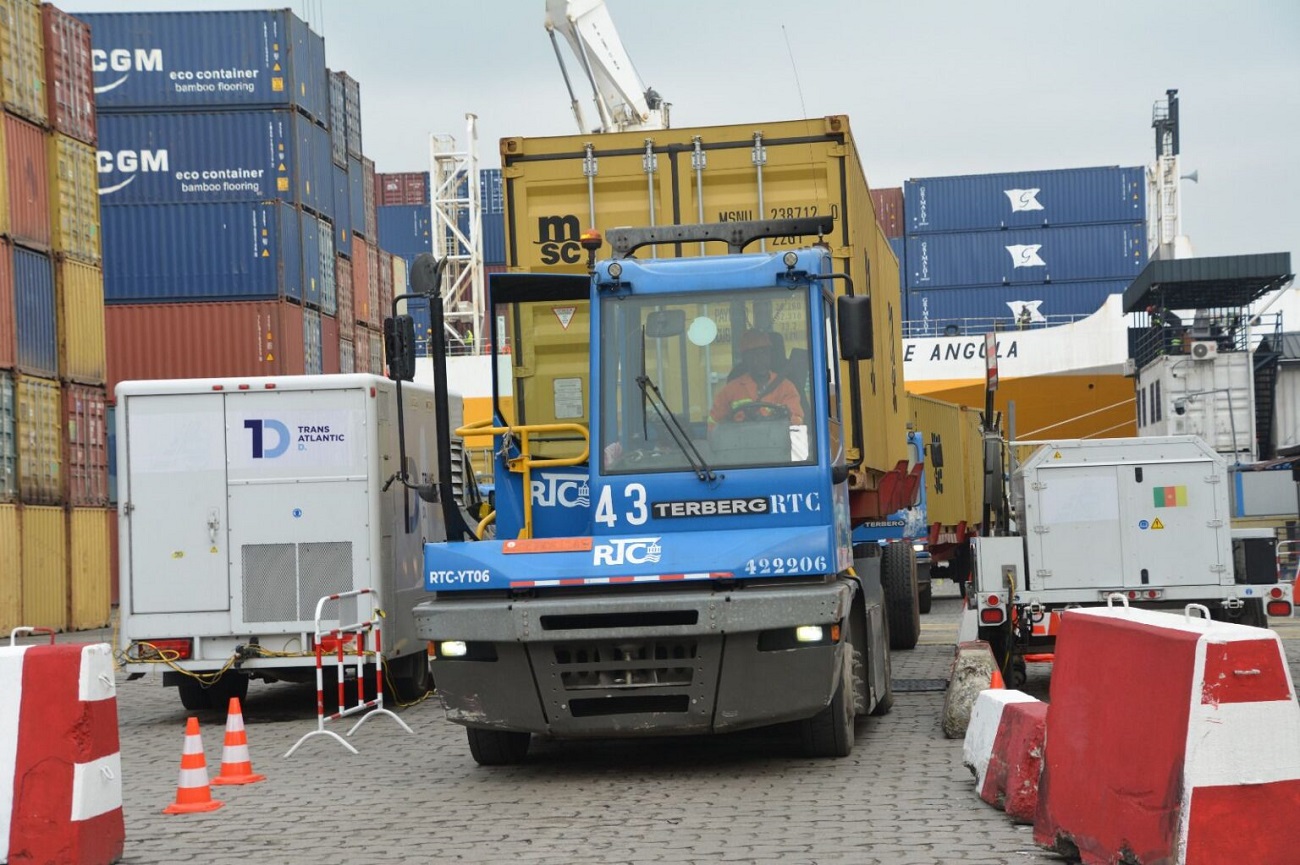
Since 2 January 2026, the Port of Douala-Bonabéri has entered a new phase of security enhancement with the effective start of non-intrusive cargo inspection operations. Entrusted to Transatlantic D. S.A., this strategic reform is intended to strengthen port security, streamline processing times and safeguard customs revenue, against a backdrop of strong expectations from stakeholders across the logistics chain.
The long-announced reform has now become a reality on the ground. From the early hours of 2 January 2026, scanning equipment deployed by Transatlantic D. S.A. was brought into operation at the Port of Douala-Bonabéri. In line with the statement issued on 26 December 2025 by the Port Authority of Douala (PAD), the company has become the sole service provider responsible for non-intrusive inspection of cargo transiting through Cameroon’s main port platform.

This operational rollout complies with the requirements of the International Ship and Port Facility Security Code (ISPS Code), as well as the terms of the concession granted by the Port Authority. The stated objective is to complement and modernize the existing security framework while meeting international standards for the control of commercial flows.
On site, the operational phase began under the watchful eye of several accredited journalists. Initial operations involve more than two thousand containers unloaded from the vessels MSC Haiti and Grande Angola, which are currently undergoing the scanning process. At the same time, goods carried by the roll-on/roll-off vessel Zagor have also been integrated into the new control circuit, illustrating the effective rollout of the system across different segments of port traffic.
Beyond security considerations, the reform also pursues clear economic objectives. Systematic scanning is expected to significantly reduce port dwell times while limiting the risks of fraud and under-declaration. In the longer term, authorities are anticipating a marked improvement in cargo traceability and enhanced protection of customs revenue at a port that handles the bulk of the country’s foreign trade.
In a statement released on 1 January 2026, Transatlantic D. S.A. announced a transitional measure aimed at facilitating the adoption of the new system. Scanning services are being provided on an exceptional and temporary basis free of charge. The company nonetheless stressed that this arrangement does not exempt stakeholders from complying with established procedures, as inspection remains mandatory for all concerned cargo.
The operational process put in place is structured around several key stages: integration of cargo data, routing to approved scanning zones, image acquisition and analysis, regulatory validation by the competent authorities, and issuance of the administrative invoice. Henceforth, no goods may leave the Port of Douala-Bonabéri without the regulatory endorsement “Inspection OK” or formal scanning validation issued by the Port Authority. A new chapter is thus opening for the security and performance of Cameroon’s leading port.