Ethiopis Tafara, Vice President for Africa of IFC, a member of the World Bank Group, will visit Rwanda from March 12-13. His first visit to Rwanda since being named to the role, Mr. Tafara will engage with government and private-sector partners to support the country’s aims to improve living standards and income for its people through job-centered growth. Accompanied by senior members of the World Bank Group’s leadership team for Africa, Mr. Tafara will convene a meeting of business leaders to identify concrete ways to unblock hurdles to strengthen the country’s business environment and help build a pipeline of investments to attract more private capital.
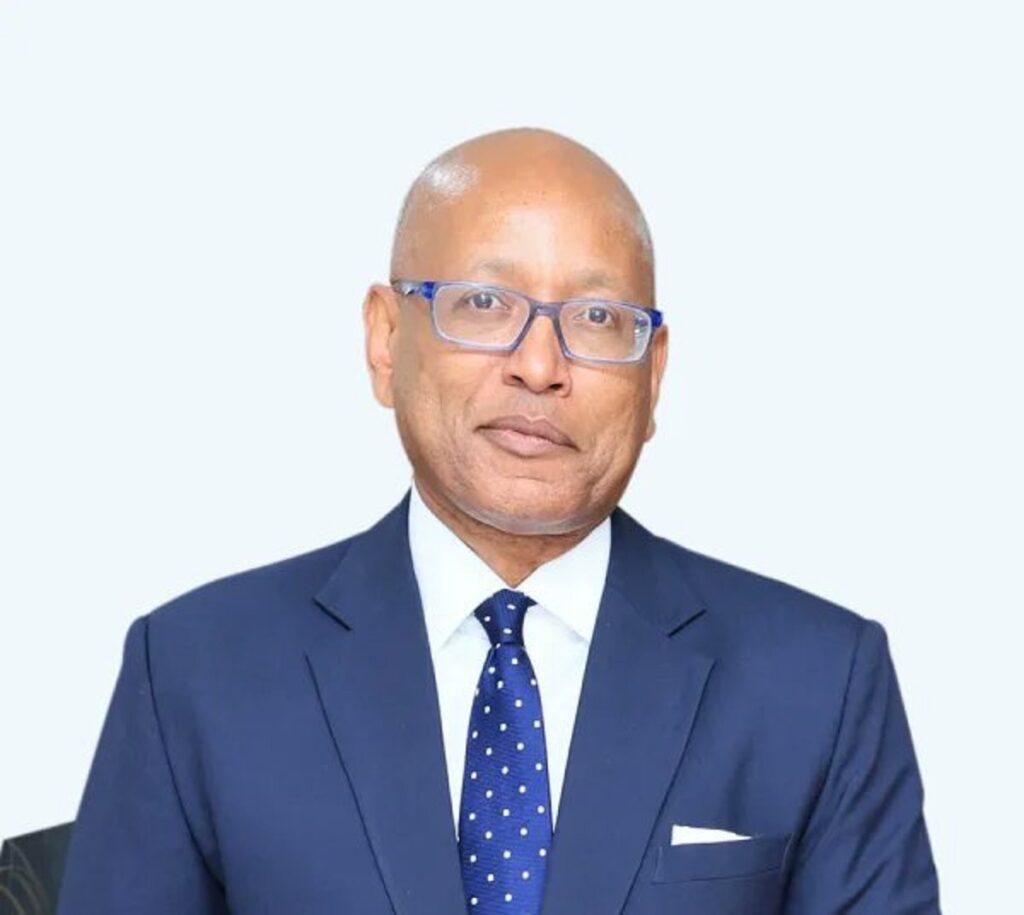
He will also meet with key policymakers and members of the government, including the President of the Republic of Rwanda Right Honorable Prime Minister Dr. Justin Nsengiyumva, the Minister of Finance & Economic planning, Hon. Yusuf Murangwa, Jean-Guy Afrika, CEO of the Rwanda Development Board and several private sector leaders to discuss how to strengthen Rwanda’s financial ecosystem to support more foreign investment, how to unlock more private funding in key growth sectors, and how to create more jobs.
Over the past five years, IFC has committed more than $330 million (~481 billion Rwandan Francs) in long-term financing in Rwanda, with 60 percent from its own account and the remainder from third-party investors. IFC’s investment and advisory work in the country is focused on infrastructure, financial inclusion, and helping optimise the performance of state-owned entities.
The newly released Rwanda Climate Smart Agriculture (CSA) Investment Plan (IP) in 2025, supported by IFC, identifies RWF 449.7 billion ($335.4 million equivalent) in potential private sector investment opportunities into projects that will improve and increase food production in the country, supporting food security and job creation.
IFC launched its Integrated Environmental, Social, and Governance Project in Rwanda in 2023 to lay the foundation for environmental, social, and governance (ESG) practices by strengthening the ESG enabling environment through development of industry guidelines at regulatory level; capacity building of market intermediaries at a market level; and improving ESG performance of selected firms for demonstration effect through in-depth advisory services at firm level.