As the world’s leading financial centres navigate a period of broad caution, three African cities are emerging as the locomotives of a new continental financial cycle. The GFCI 39 — published on 26 March 2026 — reshuffles the hierarchy and names its frontrunners through to 2028. An in-depth analysis.
Published on 26 March 2026 by London-based think tank Z/Yen in partnership with the China Development Institute, the thirty-ninth edition of the Global Financial Centres Index (GFCI 39) evaluates 120 financial centres worldwide using 147 quantitative indicators and a survey of 5,218 financial markets professionals. It is one of the most widely cited benchmarks by institutional investors and policymakers for location decision-making.
Against a global backdrop marked by an average ratings decline of –1.82% across all centres — reflecting broad-based caution driven by geopolitical and economic uncertainty — the African continent holds its ground with seven cities represented in the main index and several centres featured among the most promising growth prospects for the 2028–2029 horizon.
AFRICAN RANKING · GFCI 39 (MARCH 2026)
| # | FINANCIAL CENTRE | GLOBAL RANK | TREND | CATEGORY |
| 1 | Casablanca Finance City Morocco | 49th | ▲ +7 places | Developing international hub |
| 2 | Mauritius (Port Louis) Mauritius | 50th | ▲ Rising | International centre |
| 3 | Kigali Rwanda | 72nd | ▼ Declining | Emerging centre |
| 4 | Johannesburg South Africa | 80th | ▲ Rising | Diversified hub |
| 5 | Cape Town South Africa | 96th | ▼ Declining | Emerging centre |
| 6 | Nairobi Kenya | 114th | ▼ Declining | Emerging centre |
| 7 | Lagos Nigeria | 118th | ▲ Rising | Local centre |
Casablanca reclaims the African top spot
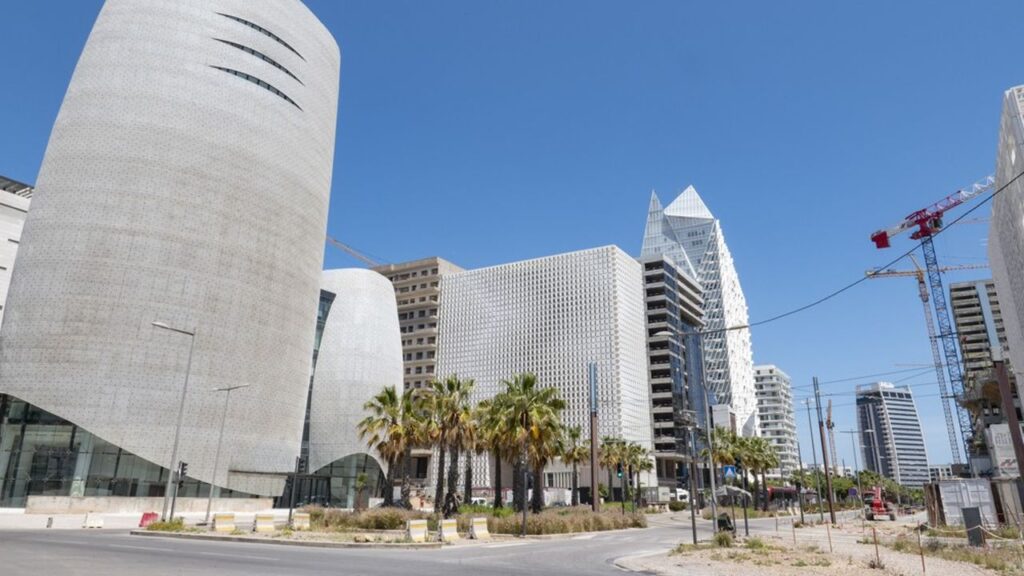
The headline story of GFCI 39 on the African stage is the return of Casablanca Finance City (CFC) to the top of the continent, overtaking Mauritius, which had held that position in the previous edition. With a gain of seven places to reach 49th globally, Casablanca cements its reputation as the gateway to African markets.
The CFC now brings together a community of more than 200 member companies operating across more than 70 countries — financial institutions, regional headquarters of multinationals, professional services firms and holding companies. It continues to capitalise on its strategic location bridging Europe, the Gulf and Sub-Saharan Africa. Morocco’s removal from the FATF grey list in earlier editions had already played a decisive role in restoring international investor confidence. The GFCI 39 classifies Casablanca as a developing international centre — a category that clearly sets it apart from its African peers.
Casablanca is classified as a developing international centre — a designation that places it within reach of the second tier of the world’s leading financial hubs.
Mauritius and Kigali: the forward-looking duo
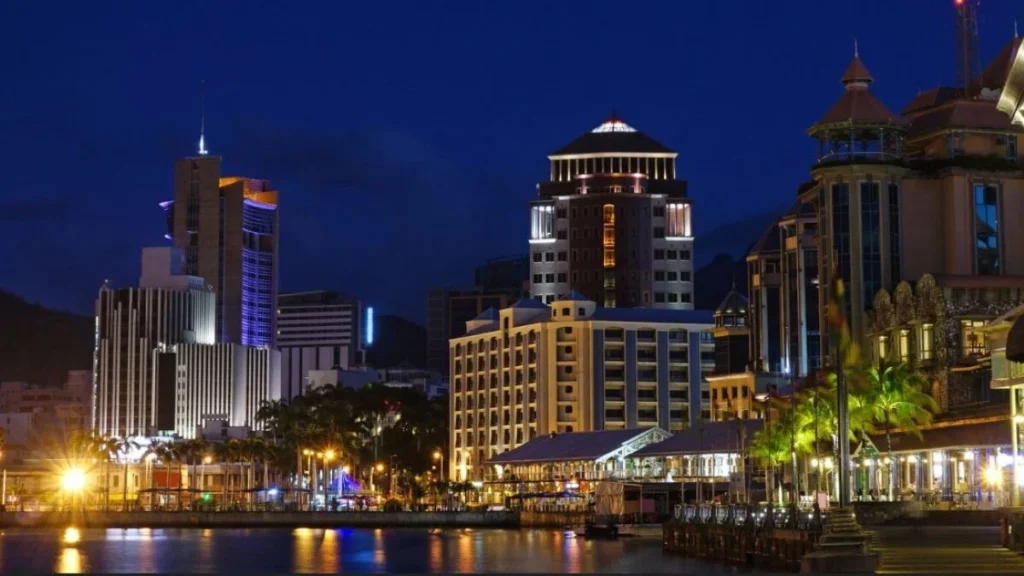
Mauritius reaffirms its resilience by holding second place in Africa at 50th globally. Strategically positioned as a bridge between Africa and Asia, the Mauritian financial centre benefits from a stable regulatory framework, competitive taxation and a remarkable rise in fintech capabilities — having climbed 21 places in the dedicated fintech sub-index in the previous edition.
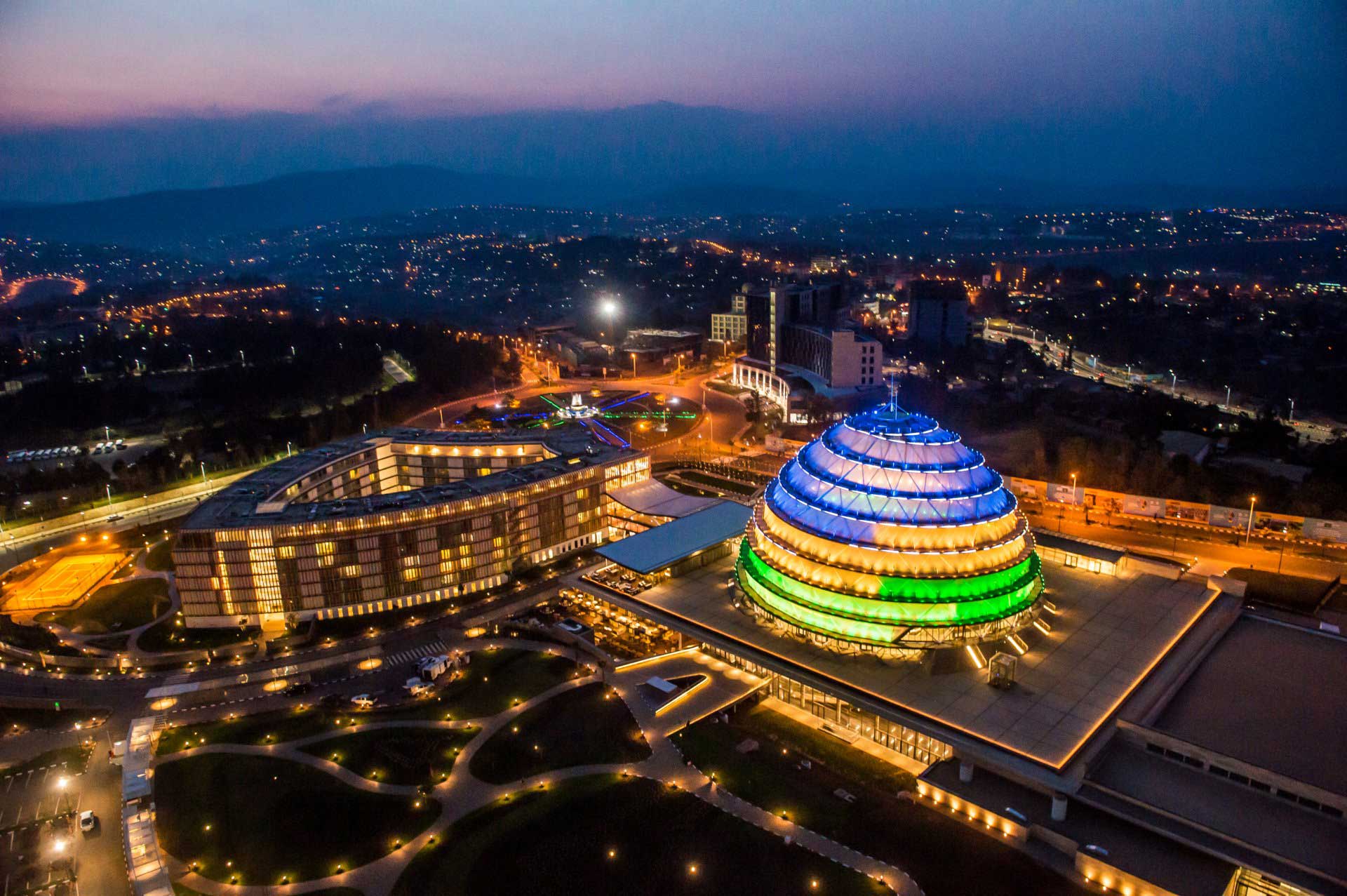
Kigali, while slipping slightly in this edition (72nd globally), remains one of the most closely watched centres on the continent. The Kigali International Financial Centre (KIFC) has established itself as Africa’s champion of sustainable finance, with a deliberate focus on green finance and attracting capital aligned with climate objectives. This long-term vision is widely recognised by industry professionals, who cite it overwhelmingly as a future reference hub.
Johannesburg and Lagos: notable comebacks
Among the notable movers in this edition, Johannesburg climbs back to fourth place in Africa, recovering after years of pressure linked to South Africa’s placement on the FATF grey list. The South African financial centre remains a continental benchmark thanks to the depth of its stock exchange (JSE) and one of the most sophisticated banking ecosystems on the continent. GFCI 39 classifies it as a diversified hub.
Lagos, long the underperformer in African rankings, records a modest recovery. The Lagos International Finance Centre, formally launched by the Nigerian federal government in March 2025, is beginning to structure the ambitions of Africa’s most populous economic capital. Nigeria’s economic fundamentals — the continent’s largest economy by nominal GDP — make a gradual rebound increasingly plausible.
The decliners: Nairobi, Cape Town, Kigali
This edition is not without its shadows. Nairobi (114th globally) and Cape Town (96th globally) both retreated, illustrating the persistent vulnerabilities of their financial ecosystems in the face of rising investor expectations around digital infrastructure, skilled human capital and regulatory predictability.
Nairobi nonetheless remains a technology hub of continental importance — the “Silicon Savannah” — and retains structural assets for a future rebound, including the presence of numerous regional headquarters of international organisations and a fast-growing digital talent pool.
The African centres most cited for the future
One of the most strategically significant dimensions of the GFCI is its forward-looking survey: global financial markets professionals identify the centres they expect to become most significant over the next two to three years. Three African centres feature in the global top 15 of this projection:
| MENTIONS | CENTRE | PROFILE |
| 33 mentions | Mauritius | 2nd in Africa · international finance & fintech |
| 27 mentions | Kigali | 3rd in Africa · Africa’s green finance champion |
| 23 mentions | Casablanca | 1st in Africa · gateway to the continent |
This triple forward-looking signal reflects not only recognition of progress made, but also growing confidence among international operators that Africa is in the process of building financial centres capable of accessing, in the medium term, the ranks of the world’s reference hubs.
The structural challenges ahead
Despite these real advances, GFCI 39 makes clear that no African centre has broken into the global top 40. The gap with the world’s leading hubs — New York (1st), London (2nd), Hong Kong (3rd), Singapore (4th) — remains substantial, and Gulf hubs (Dubai 7th, Abu Dhabi, Doha) continue to dominate the Middle East & Africa zone, pushing African centres into a secondary regional tier.
The five competitiveness dimensions measured by the GFCI — business environment, human capital, infrastructure, financial sector development and reputation — represent as many priority workstreams for African centres. Digital infrastructure, cybersecurity and payment system reliability are singled out as decisive factors. The African Continental Free Trade Area (AfCFTA), whose progressive implementation should stimulate intra-African financial flows, represents a structural lever capable of elevating the competitiveness of the continent’s financial centres collectively.
Africa now has solid financial anchor points. The question is no longer whether African centres can reach the global top tier — it is how quickly the conditions to do so will be in place.
GFCI 39 paints a nuanced but broadly dynamic picture of Africa’s financial landscape in 2026. Casablanca reclaims its continental leadership, Mauritius reaffirms its solidity, Kigali embodies green ambition. Johannesburg and Lagos begin their recovery. The continent is moving forward — unevenly, yes, but with confidence signals that international investors are beginning to factor into their allocation strategies. The next milestone: GFCI 40, expected in September 2026.