

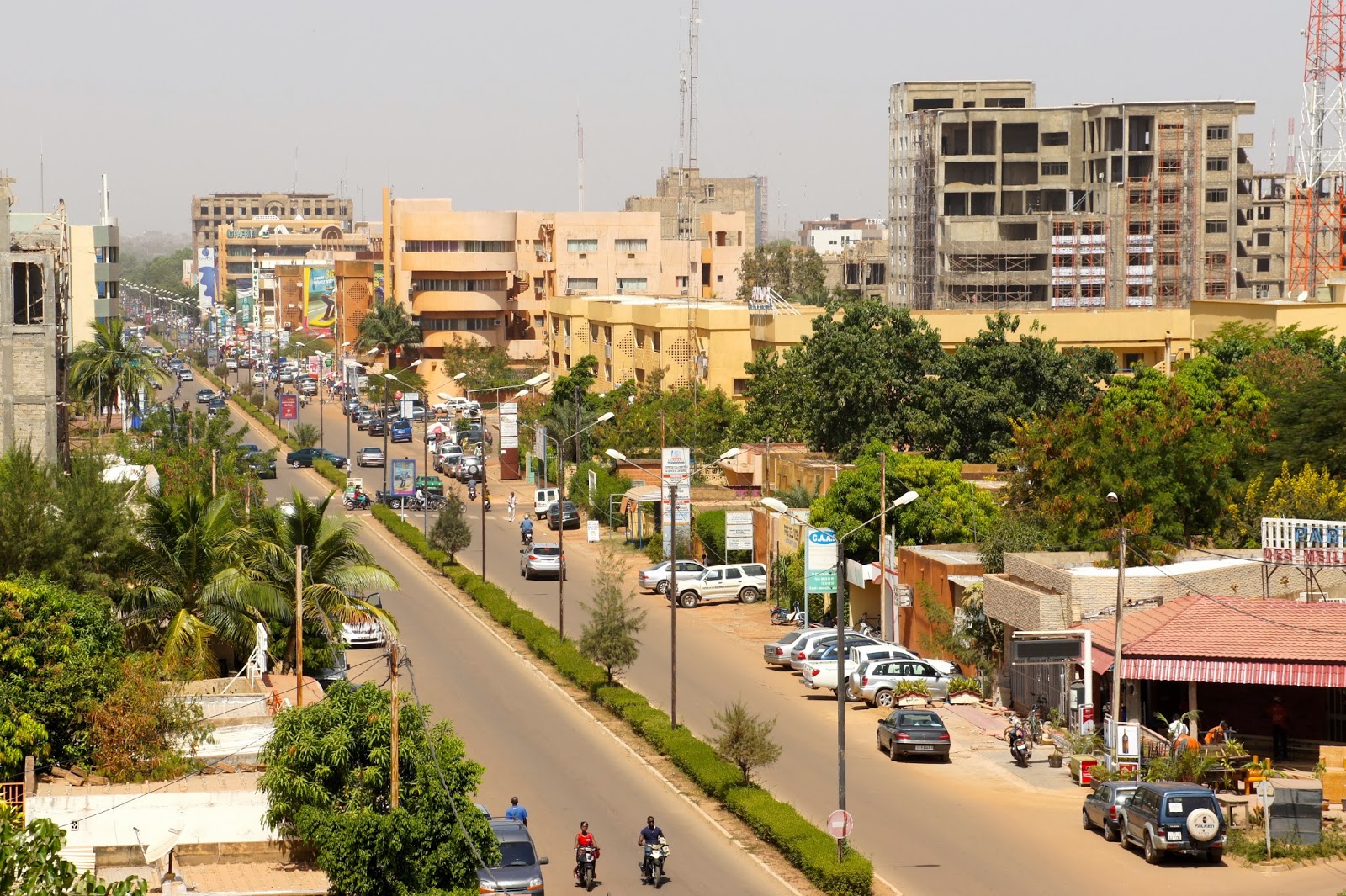
The most consequential launches of 2026 in Rwanda and Burkina Faso were not all ribbon-cuttings. Several were systems: an identity number, a payment rail, a school for engineers.
Identity as infrastructure
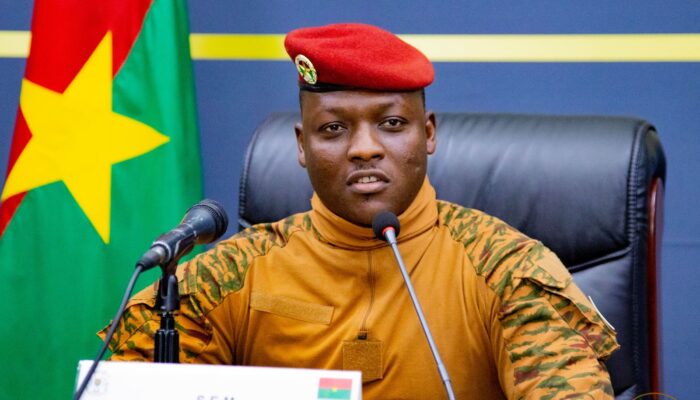
On 11 November in Ouagadougou, Burkina Faso opened mass registration for its unique electronic identifier, and Captain Ibrahim Traoré was the first to enrol. Every resident, Burkinabè or foreign, is to receive a permanent 12-digit number, issued once and free of charge. The rollout relies on 966 registration kits, with mobile teams for displaced, elderly and disabled people. The authorities say the data are hosted on state infrastructure and managed by national engineers. The project had been more than ten years in the making.
Rwanda is a step further along the same road. Enrolment for its digital national ID reached Kigali on 7 February after starting in the Southern Province. The new credential plugs into IremboGov, the government portal that offers more than 600 services, most of them now processed within 24 hours.
In both countries the logic is the same. An identity number is the layer on which payments, social programmes and private services can be built without registering each citizen again every time.
Money that moves for a cent
Rwanda’s signature innovation of the year went live on 14 July, when eKash became the national instant payment system. Money now moves between any bank account and any mobile wallet for a flat fee of 20 Rwandan francs, a little over one US cent, on transfers of up to 10 million francs. The same operation could previously cost as much as 5,000 francs. The system is not a new app: customers keep their usual banking and mobile money interfaces. It arrives in a country where 68.5% of adults use a mobile wallet and MTN Rwanda alone counts 6.5 million active mobile money users.
Burkina Faso’s financial innovation is of a different kind: it concerns who funds the factories and who buys the gold. TEXFORCES-BF, the textile complex opened in September, was financed from domestic public resources. The community shareholding agency APEC had raised nearly 19.8 billion CFA francs from 324,301 subscribers by September 2025 to build processing plants. And the state gold buyer has pulled artisanal production into official channels, where recorded volumes rose from 7.1 to 39.1 tonnes in a year.
Schools for the people who will run it
Machines are easier to buy than technicians, and both governments know it. “L’avenir est dans la technique” (the future lies in technical skills), Traoré told students at Nazi Boni University in Bobo-Dioulasso on 11 September. On 23 November he opened the Académie technologique du Faso at Pabré, near Ouagadougou. The first phase cost 37.37 billion CFA francs from the state budget and was built in under eleven months. Its first 250 students will specialise in fields that include nuclear engineering, cybersecurity, aeronautics, metallurgy and mining.
Rwanda is building its equivalent at city scale. Kigali Innovation City, a 61-hectare development in Gasabo district, broke ground in September 2024. It is designed to bring together universities, research labs focused on AI, biotechnology and robotics, offices and start-up incubators. A UNDP policy brief published this year describes an innovation ecosystem anchored by Carnegie Mellon University Africa and the new district.
Building to export
What sets this year apart is that both countries now design for a market larger than their own. Rwanda presented a national strategy for digital public infrastructure at its first DPI Day on 9 March and treats these systems as exportable. Kenya and Uganda have adopted its electronic billing machine for tax compliance, Zambia is following, and Guinea is co-developing its e-procurement platform. In November, Kigali hosted the Bonds, Loans & ESG Africa conference, a showcase for its financial centre.
Burkina Faso’s refinery follows a similar logic. Raffinor-BF, opened on 28 September with a capacity of 164 tonnes a year, can treat far more gold than the country’s recorded output of 90.8 tonnes, and the government presents it as a future refining hub for the region. The country is also pursuing civil nuclear power with Russia’s Rosatom.
The common thread
Neither country is innovating for its own sake. Rwanda’s payment rail is open-source and locally owned. Burkina Faso’s identity data sit on national servers. In both, the engineers are being trained at home. In Kigali and in Ouagadougou, innovation in 2026 meant owning the system as well as using it.
By the numbers
| Indicator | Rwanda | Burkina Faso |
|---|---|---|
| Digital identity | Enrolment extended to Kigali on 7 February 2026 | Mass registration launched on 11 November 2026 |
| Flagship system of the year | eKash: 20 francs per transfer since 14 July | Raffinor-BF: 164 tonnes a year since 28 September |
| Skills | Kigali Innovation City: 61 hectares under construction | Académie technologique du Faso: 250 students in the first intake |