

One country works to a 30-year vision, the other to a five-year plan adopted this January. Both spent 2026 turning targets into factories, power lines and numbers that can be checked.
A date on every promise
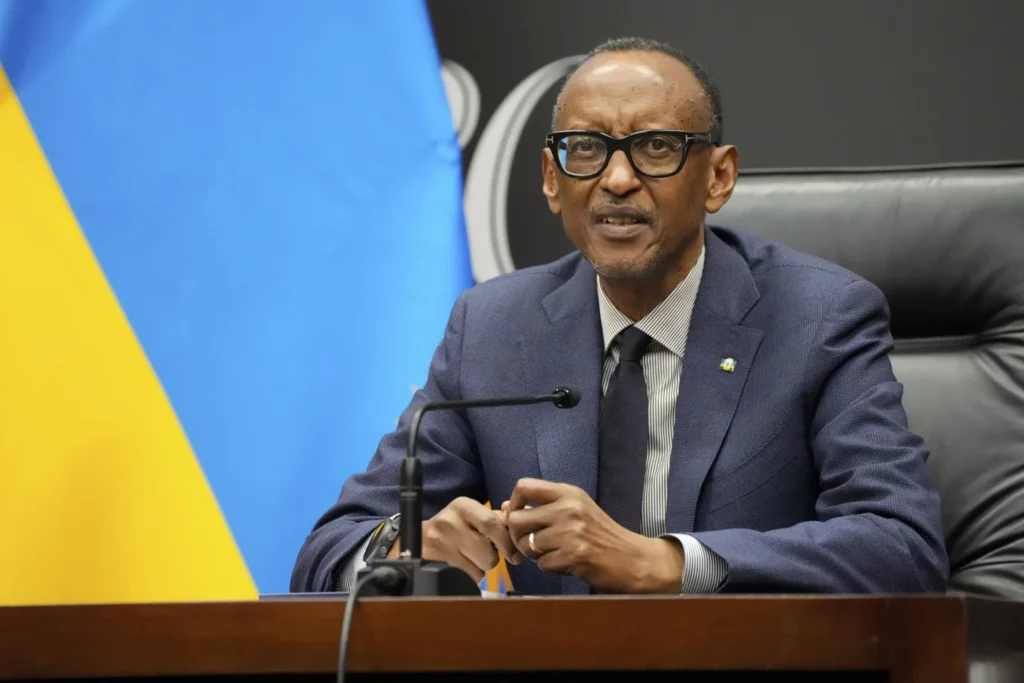
Neither government talks about development in the abstract any more. Rwanda’s Vision 2050 commits the country to upper-middle-income status by 2035 and high-income status by 2050, which means lifting GDP per head above $4,036 and then above $12,476. The five-year strategy that carries it, known as NST2, assumes growth averaging 9.3% a year to 2029 and export earnings of $7.3 billion.
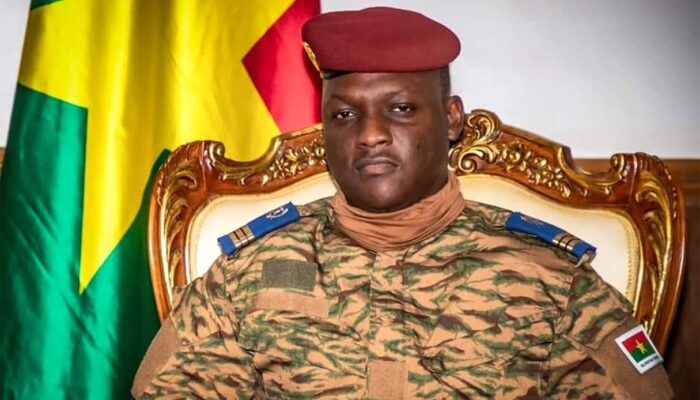
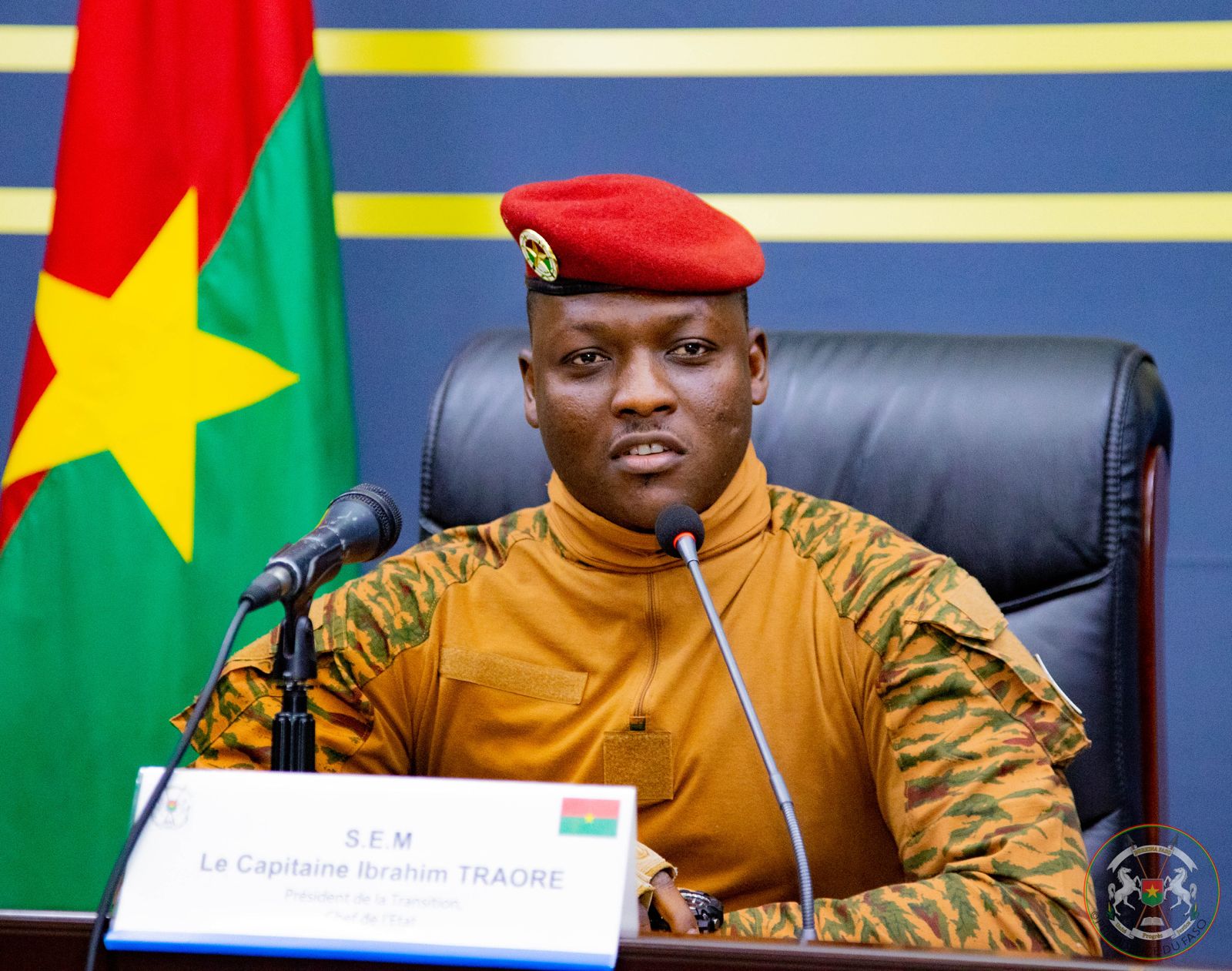
Burkina Faso put its own horizon on paper this year. The Plan RELANCE 2026–2030, adopted by the Council of Ministers in late January, is costed at 36,190.7 billion CFA francs. Nearly two-thirds is to come from domestic resources, and the plan targets average growth of 7.2% a year with exports rising by more than 10% annually. It is framed as the first stage of a longer vision, “Burkina 2060”, built on sovereign, locally driven development.
The two documents differ in length and vocabulary. They share a method: a deadline, a number, and a named instrument for getting there.
The year the numbers moved
In both capitals, 2026 delivered figures that matched the ambition. Rwanda’s economy grew by 10.6% in the fiscal year to June, against 6.3% the year before, according to the national statistics institute. Industry led with 16%, ahead of services at 8% and agriculture at 7%. Growth reached 9.7% in the first half of the calendar year, and the central bank now expects 2026 to finish above its initial 6.8% projection.
Burkina Faso’s breakthrough came in mining. The mines ministry’s statistical yearbook, published in July, put declared gold output at a record 90.8 tonnes for 2025, up 49.4%, and mining receipts at 983.6 billion CFA francs, up 66.3%. Most of that jump came from artisanal gold brought into official channels, where recorded volumes rose from 7.1 to 39.1 tonnes. The momentum has carried into 2026: industrial mines produced 26.75 tonnes in the first half, 10.3% more than a year earlier. After its mission to Ouagadougou in early November, the IMF projected growth of 4.4% this year and 4.8% in 2027.
Making it at home
Behind those numbers sits a shared conviction that value should be added before goods leave the country. In Rwanda, formal manufacturing output rose by 25.1% year on year in May and 21.5% in June. In the second quarter, output of metal products, machinery and equipment climbed 51% as a construction boom pulled in locally made materials.
Burkina Faso spent the year opening plants. On 28 September, Captain Ibrahim Traoré inaugurated Raffinor-BF, the country’s first gold refinery, with an initial capacity of 164 tonnes a year and a planned second phase of 515 tonnes. Less than three weeks earlier he had opened TEXFORCES-BF near Bobo-Dioulasso, a 17-billion-franc textile complex that turns local cotton into fabric and uniforms. In July, the state-owned SOPAMIB received the licence for Bouboulou, the first fully public industrial gold mine. L’Économiste du Faso counts ten industrial units inaugurated by the president since 2022, for about 132 billion CFA francs.
Power and gateways
Factories need electricity, and both countries treated it as the first condition. On 22 October, Burkina Faso adopted Faso Wa-Fulu, a presidential initiative worth more than 2,800 billion CFA francs over ten years. It aims for universal access by 2030, reaching 6,700 new localities and close to 18 million people. In Rwanda, electricity production in the formal sector was up 16.5% year on year in June and 17.6% in August, and the 43.5 MW Nyabarongo II hydropower plant is nearing completion.
Rwanda’s largest physical bet is a gateway. At the new Kigali international airport in Bugesera, the 4.2-kilometre runway, drainage and internal roads are largely finished, and work has moved to the terminals. The first phase, scheduled for 2028, is designed for 7 to 8 million passengers and 150,000 tonnes of cargo a year. An 11.6-kilometre expressway to the capital is due by the end of 2027, and a full airport city is planned around the site.
What 2027 will test
Rwanda is already running at the pace its vision requires; the head of the Rwanda Development Board has said the 2035 target depends on sustained growth of around 10%. Burkina Faso’s plan asks for an acceleration, from the 4.4% projected this year to an average of 7.2%. The refinery, the textile mill and the electrification programme are the tools chosen to close that gap. For both countries, 2026 was the year the plan began to show on the ground.
By the numbers
| Indicator | Rwanda | Burkina Faso |
|---|---|---|
| Long-term horizon | Vision 2050: high-income status by 2050 | “Burkina 2060”, with Plan RELANCE 2026–2030 as first stage |
| Planned growth | 9.3% a year under NST2 | 7.2% a year under Plan RELANCE |
| Latest growth | 10.6% in fiscal 2025/26 | 4.4% projected for 2026 (IMF) |
| Industrial milestone of 2026 | Manufacturing output up 21.5% in June | Raffinor-BF refinery opened on 28 September |
| Energy | Electricity output up 17.6% in August | Faso Wa-Fulu: over 2,800bn CFA francs in ten years |