
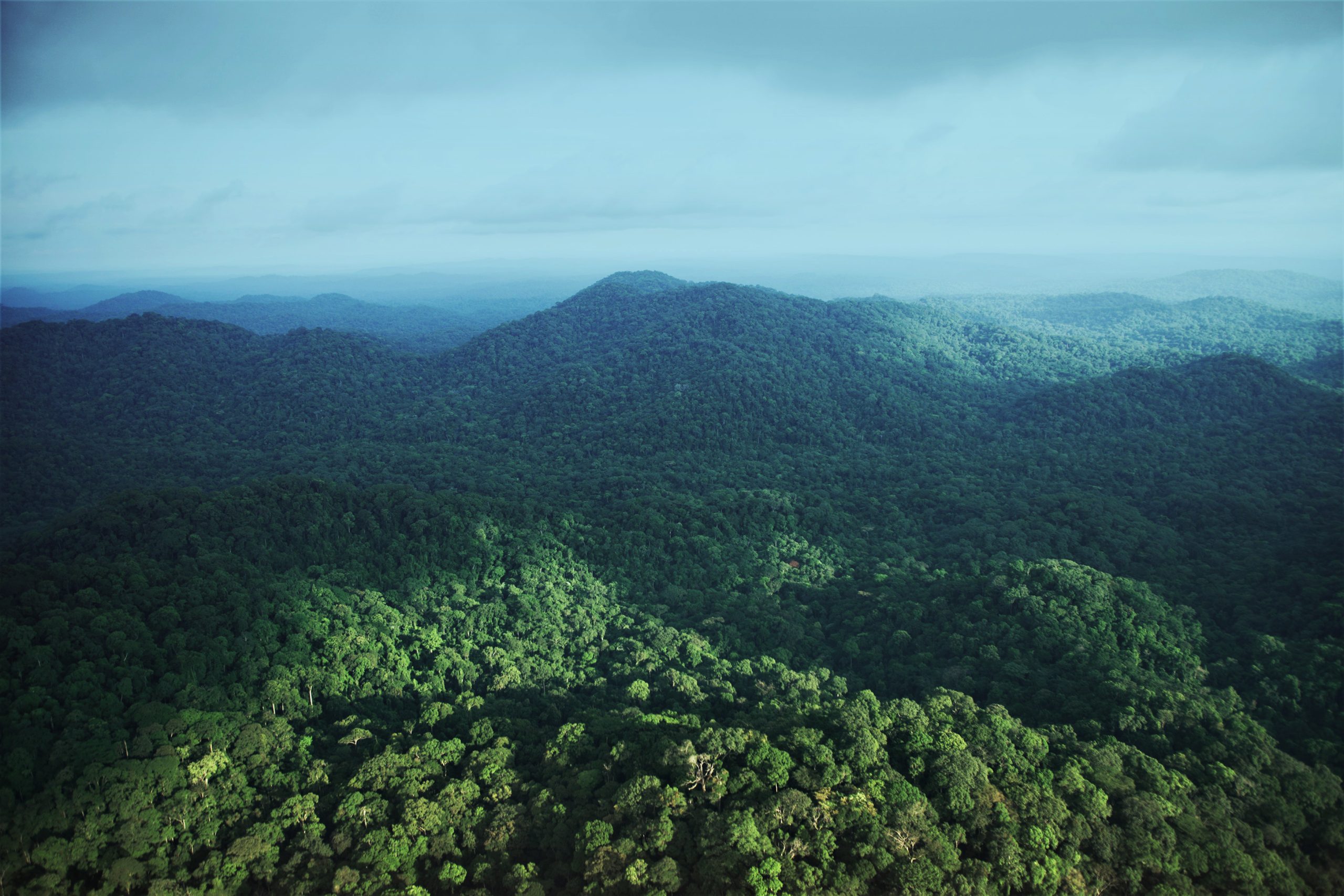
Gabon is more than 80 per cent forest and absorbs far more carbon than it emits. It has spent years trying to turn that into revenue. Buyers remain sceptical, and the market has turned against them.
Gabon’s pitch is simple. Its forests store carbon, the country has kept deforestation low, and the world says it wants to pay for that. Libreville has pursued two routes: sovereign carbon credits issued against national emission reductions, and debt refinancing structures that channel savings into marine or forest conservation.
Why it has been hard
- The voluntary market collapsed in credibility. Investigations into the quality of forest credits pushed buyers away and prices down.
- Sovereign credits are unusual. Most corporate buyers are used to project-level credits with a developer, not national units issued by a state.
- Verification is contested. Baselines, permanence and the risk of double counting under the Paris Agreement all require rules that are still being written.
- Governance. Buyers want assurance that revenue reaches forest communities, not only treasuries.
What to report
- How many credits has Gabon actually sold, to whom and at what price?
- What is the status of its conservation-linked refinancing, and what has it funded?
- How do neighbours compare? Congo and Cameroon have comparable forest assets in the Congo Basin.
- What would a buyer need to see to sign?
The bigger prize
The Congo Basin is the world’s second tropical forest and, by some measures, its most effective carbon sink. If Central Africa cannot monetise that in a decade of climate finance pledges, the failure is as much about the region’s ability to structure and sell as about the market’s appetite.